
Supplements: What's Worth Your Money and What Isn't
Three supplements have solid evidence behind them. Most of the rest are selling you an expensive version of something food already provides. Here is the honest breakdown.
Fit with Faisal Noor
Certified Fitness Coach & Nutrition Specialist
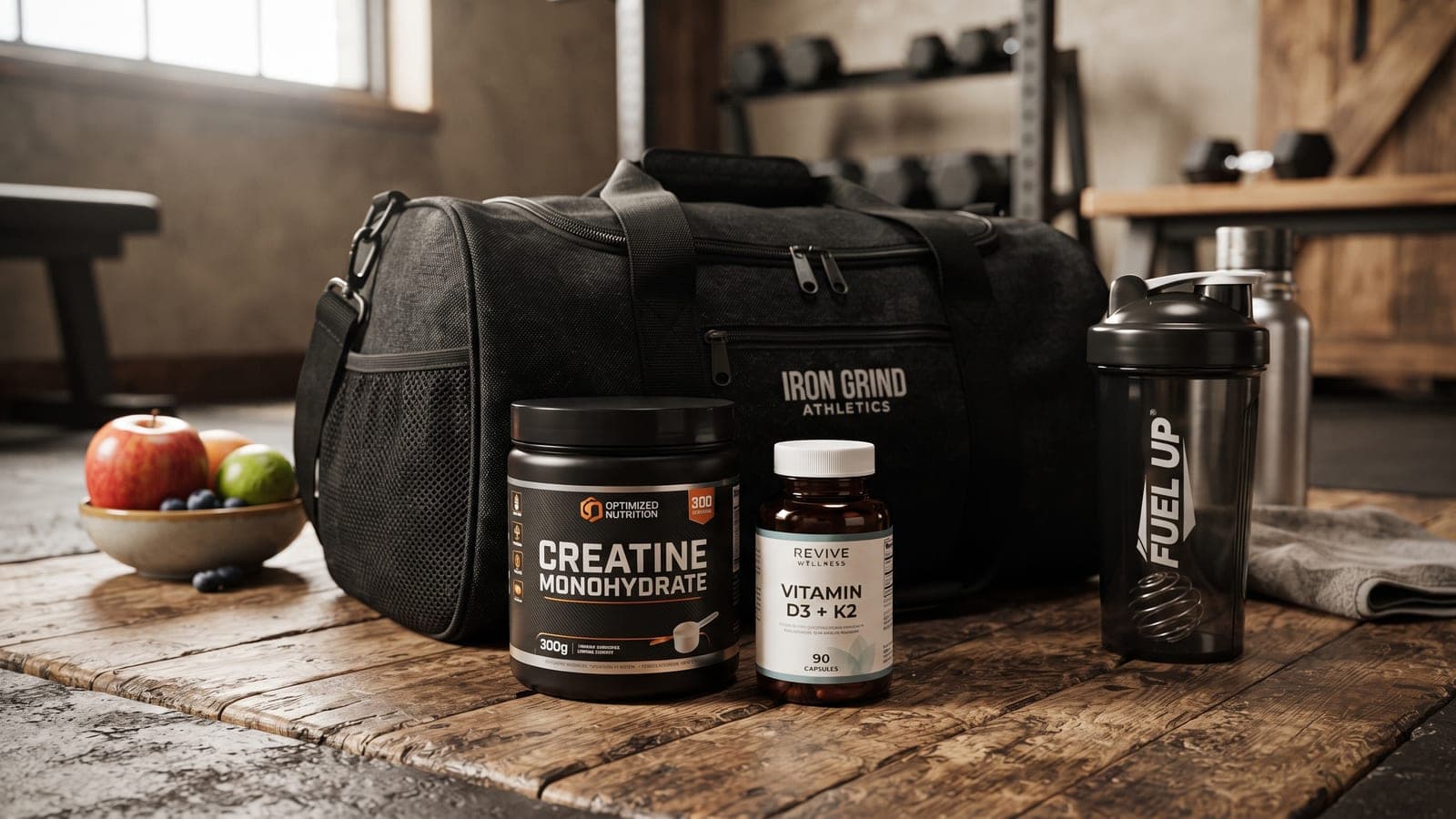
Walk into any supplement shop and you will be shown fat burners, testosterone boosters, BCAAs, pre-workouts, and mass gainers, all with confident claims.
The honest summary: three are worth buying for most people, a couple are situational, and the rest are selling you something food already does better and cheaper.
Why This Happens
Supplements are a large industry with a structural advantage: they are regulated far more loosely than medicines. In most markets a product must be safe and must not claim to treat disease. It does not have to work.
That gap is where the marketing lives. A fat burner can claim to "support metabolism" without demonstrating that anyone using it lost weight, because "support" is not a measurable claim.
The second factor is the appeal of the shortcut. Hitting a protein target and training progressively for a year is unglamorous. A tub promising to accelerate it is a far easier sell, and it competes against effort rather than against other tubs.
What Most People Get Wrong
Buying supplements before fixing the basics. A fat burner while eating 3,000 calories is spending money to fight your own diet. No supplement compensates for an inadequate diet, and none is worth buying before your protein and calories are consistently on target.
Believing "natural" means effective. Green tea extract, garcinia, raspberry ketones. Being plant-derived says nothing about whether something works.
Trusting proprietary blends. When a label lists a "blend" of nine ingredients totalling 500 mg without individual amounts, it is usually because the doses are far below what any study used.
Thinking whey is special. It is convenient food in powder form. There is nothing in it your body treats differently from eggs or chicken. Local food covers protein far more cheaply.
No supplement will do more for you than hitting your protein target and training progressively. If those two are not in place, everything on this page is premature.
The Fix: The Honest List
Worth buying
Creatine monohydrate. The most researched sports supplement there is, and it works. Roughly 5–10% improvement in strength and training volume over time, plus modest muscle gain.
- Dose: 3–5 g daily, any time, every day including rest days
- Buy: plain monohydrate. Not "HCL", not "buffered" — those cost more with no advantage
- Note: expect 1–2 kg of scale gain in the first fortnight. That is water inside the muscle, not fat
Vitamin D3. Not performance-enhancing, but deficiency is genuinely widespread — including in sunny countries, because most people work indoors and many women have limited sun exposure. Deficiency affects mood, immune function, and bone health.
- Dose: 1,000–2,000 IU daily, ideally after a blood test
Whey protein — conditionally. Useful only if you genuinely struggle to hit your protein target with food. It solves a logistics problem, not a nutritional one. If you are already hitting your target, it adds nothing.
Situational
Caffeine. Works as a performance aid at 3–6 mg per kg bodyweight, 30–60 minutes before training. Coffee is the cheapest source. Pre-workout products are largely caffeine plus flavouring at several times the price.
Omega-3. Worth considering if you rarely eat fish. Modest benefits for joint health and inflammation.
Magnesium. May help sleep quality if you are deficient. Modest, and worth trying only after sleep hygiene.
Not worth your money
| Product | Why not |
|---|---|
| Fat burners | Effects are trivial — a few calories a day. Some contain undeclared stimulants |
| BCAAs | Redundant if you eat enough protein. Whole protein contains them already |
| Testosterone boosters | No meaningful effect in men with normal levels |
| Mass gainers | Milk, sugar, and maltodextrin at a markup. Make it at home |
| Detox teas | Your liver and kidneys handle this. Many are laxatives |
| Glutamine | Well-studied and not useful for healthy trainees |
| Waist trainers | Not a supplement, but the same category of promise. They do nothing |
Buying Them Here
Two practical warnings for this market.
Counterfeits are common. Popular imported brands are widely faked. Buy from established retailers rather than unknown online sellers, and be suspicious of prices well below the market rate.
Imported products carry heavy markups. A tub of whey can cost several times what it does elsewhere. When you price it against eggs, daal, and dahi per gram of protein, it rarely justifies itself for anyone whose diet is already adequate.
If you are going to buy one thing: creatine. It is cheap, well-evidenced, and does not depend on brand.
How to evaluate anything not on this list
New products appear constantly. Three questions will sort most of them.
What is the dose, and does it match the studies? Proprietary blends that hide individual amounts are hiding something. Compare the stated dose against what research actually used — it is frequently a fraction.
What is the claim, exactly? "Supports metabolism" and "supports energy" are not claims. They are phrases chosen because they cannot be tested. A real claim names a measurable outcome.
Who is making the claim? A supplement company's own study on its own product is marketing. Independent research, replicated, is evidence.
Almost nothing passes all three. That is not cynicism — it is why the worthwhile list above is so short.
Before buying anything, check whether you hit your protein target yesterday. If you did not, that is the purchase that will change your results — and it is available at the grocery shop.
Keep Reading
Water Intake and Weight Loss: Fact vs Overhyped Advice
Water does not burn fat, and drinking four litres will not speed anything up. What it does do is worth knowing — particularly the effect it has on the number you see on the scale.
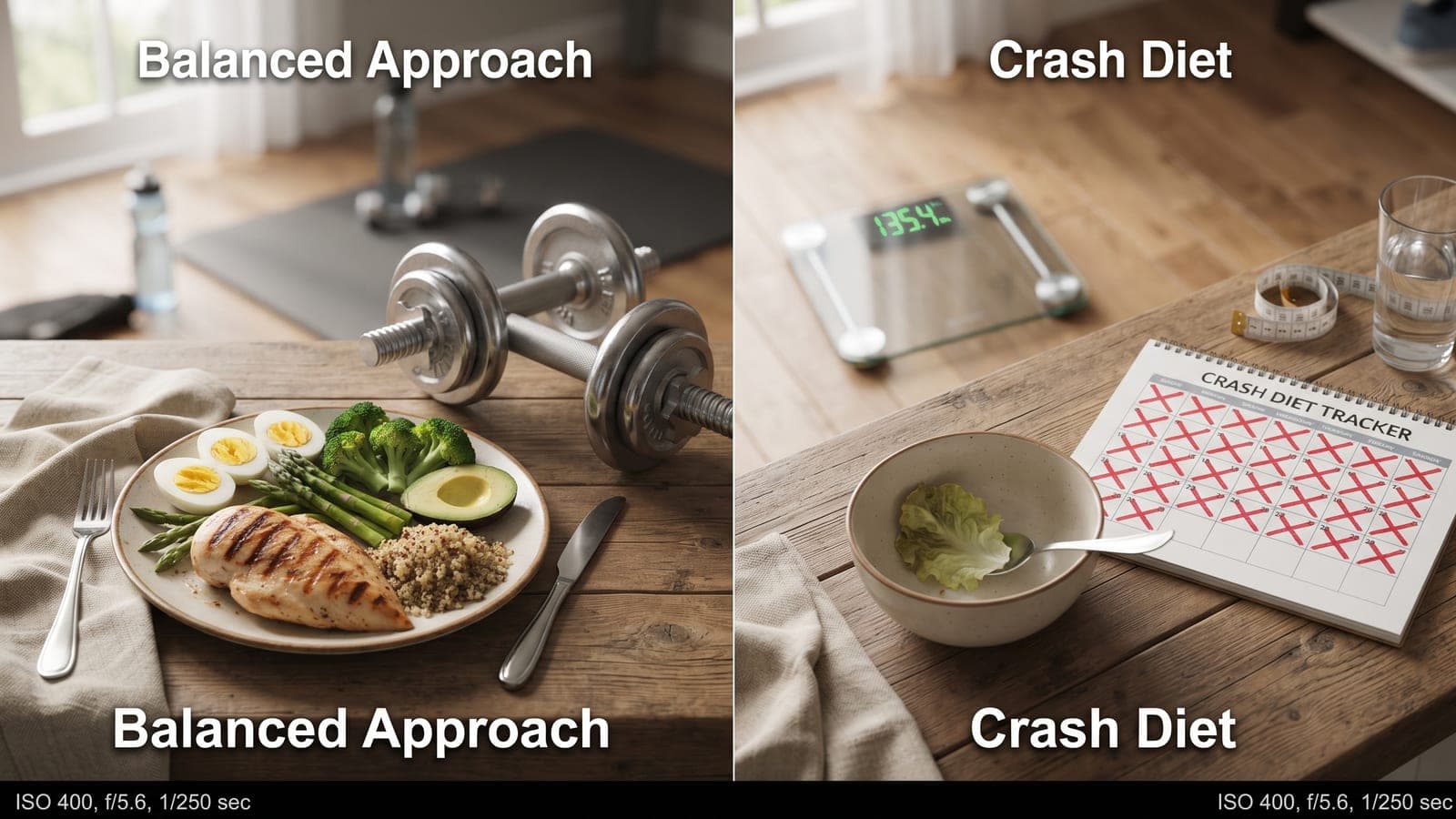
Sustainable Weight Loss: What "1kg a Week" Actually Costs Your Body
Losing a kilo a week is possible. What the promise leaves out is how much of it is muscle, what it does to your training, and why the weight usually comes back. Here is the honest arithmetic.

How to Read a Nutrition Label Like a Coach (Not Like an Ad)
The front of the packet is marketing. The back is data. Here is how to read the panel in ten seconds, and the four tricks that make unhealthy products look healthy.