
Muscle Gain on a Budget: A Realistic Plan for Skinny Beginners
If you have always been thin and nothing you eat seems to change it, the problem is almost never your metabolism. Here is what actually works, using food you can afford.
Fit with Faisal Noor
Certified Fitness Coach & Nutrition Specialist

You have been told you are lucky. You would like to be roughly ten kilos heavier, and years of "just eat more" have produced nothing.
The explanation is almost never a fast metabolism, and the solution is cheaper than the supplement industry has led you to believe.
Why This Happens
Two things are usually true of naturally thin people, and neither is metabolic mystery.
You eat less than you think. Appetite is well regulated in most naturally lean people — you feel full sooner and simply stop. Ask someone who "eats loads" to log it honestly for four days and the total is routinely a few hundred calories below maintenance, not above.
Your NEAT is high. Some people burn several hundred extra calories a day through unconscious movement — walking more, sitting still less, fidgeting. This is largely not under your control, and it is why the same meal plan makes one person gain and another hold steady.
Neither means you cannot build muscle. Both mean the required surplus is larger than you assume, and that appetite — not metabolism — is the actual obstacle.
What Most People Get Wrong
Eating more only on good days. Gaining weight requires a consistent surplus. Three big days and four normal ones averages out to maintenance, which is precisely where you have been.
Dirty bulking. Adding fried food and sugar does add weight, most of it fat. You end up heavier without looking better, then cut and return to where you started.
Buying mass gainer first. A 1,200-calorie powdered drink is milk, sugar, and maltodextrin at a substantial markup. You can produce the same thing at home for a fraction of the cost.
Training like someone trying to lose fat. High-rep circuits and long cardio sessions are the wrong stimulus and burn calories you need. You need progressive resistance training and comparatively little cardio.
Expecting it to be fast. Muscle accrues at roughly 0.5–1 kg per month for a beginner training and eating well — and slower afterwards. Anyone promising faster is describing fat gain.
Your metabolism is not the problem. Your appetite is, and appetite is a solvable engineering problem rather than a fixed trait.
The Fix
Set the surplus
Maintenance plus 300–400 calories. Bodyweight in kg × 30, then add.
A 60 kg man: 60 × 30 = 1,800, plus 350 = 2,150 calories a day.
That produces roughly 0.3–0.5 kg a month of mostly lean gain. A bigger surplus adds fat, not muscle — the rate at which you can build tissue is capped regardless of how much you eat.
Solve the appetite problem
This is the real work, and these are the levers:
- Eat more frequently, not more per meal. Five moderate meals is far easier than three enormous ones when your appetite fills early.
- Drink calories. Liquid does not trigger fullness the way solid food does. A homemade shake — full-fat milk, a banana, two tablespoons of peanut butter, a spoon of honey — is roughly 500 calories and takes two minutes to drink.
- Add fat to what you already eat. Oil, ghee, butter, nuts. A tablespoon of oil is 120 calories with no added volume. This is the cheapest way to raise a total.
- Do not fill up on vegetables first. Unusual advice, and correct here. Eat the protein and carbohydrate first.
- Never skip a meal. A skipped meal cannot be recovered later.
Cheap calorie-dense foods
| Food | Why it works |
|---|---|
| Full-fat milk | ~600 calories per litre, drinkable |
| Eggs | Cheap protein, easy to add |
| Peanut butter | ~590 calories per 100 g |
| Banana | Calorie-dense fruit, portable |
| Rice | Easy to eat in volume |
| Daal with ghee | Protein plus added fat |
| Dates | ~280 calories per 100 g |
Milk is the single most useful item on this list for anyone struggling to eat enough, and it costs a fraction of any gainer product.
Train for it
Three full-body sessions a week on the five core movements, 6–12 reps, progressively overloaded. Keep cardio to walking.
Track your lifts. If the weights are not moving, you are not building — and that usually means the surplus is not real.
Judge it monthly
Weigh weekly, compare monthly averages. Aim for 0.25–0.5 kg per month. No change means eat more; over 1 kg a month means you are adding fat and should ease back.
Expect the first two months to look like nothing. That is normal — early gains show in the numbers on the bar before they show in the mirror.
What the first year realistically looks like
Beginners gain fastest, and it still takes longer than most people expect.
Months 1–3: lifts climb quickly, weight moves slowly. Most of the early change is neurological — you are learning to use the muscle you have. Visible change is minimal, and this is where most people quit.
Months 4–8: weight starts moving steadily. Clothes fit differently across the shoulders and chest. Others begin to notice.
Months 9–12: roughly 5–7 kg of lean mass gained if training and eating were consistent. This is a substantial visual change from a thin starting point.
Anyone promising more than that in a year is describing fat gain, a previously trained person regaining muscle, or something pharmaceutical.
Start tomorrow with one addition: a litre of full-fat milk across the day, on top of everything you already eat. That alone is most of a beginner surplus, and it costs less than a single scoop of protein powder.
Keep Reading

Supplements: What's Worth Your Money and What Isn't
Three supplements have solid evidence behind them. Most of the rest are selling you an expensive version of something food already provides. Here is the honest breakdown.
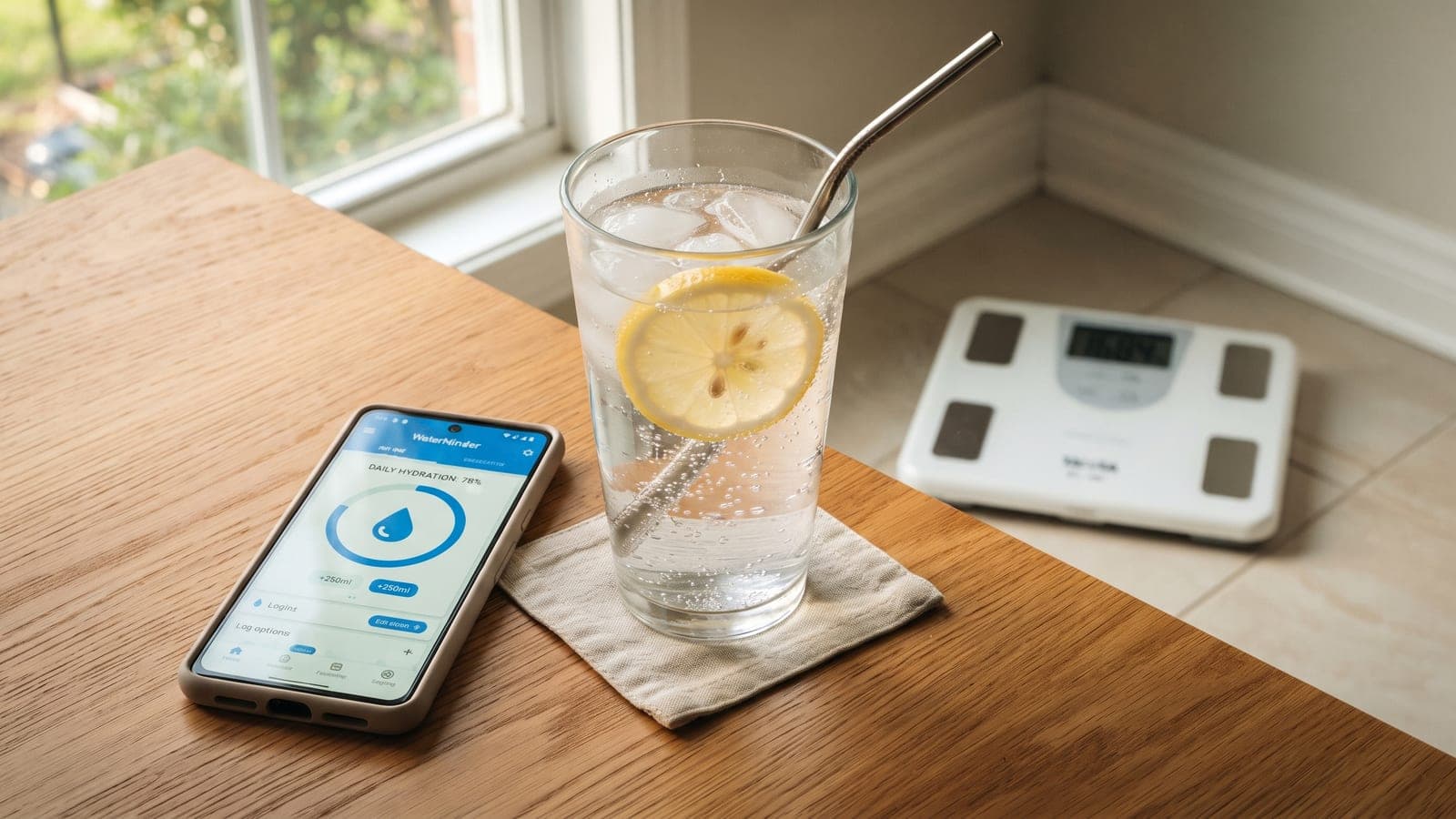
Water Intake and Weight Loss: Fact vs Overhyped Advice
Water does not burn fat, and drinking four litres will not speed anything up. What it does do is worth knowing — particularly the effect it has on the number you see on the scale.

Diet Plan vs Meal Plan: What's the Real Difference?
One tells you exactly what to eat at every meal. The other teaches you how to decide. They suit different people, and picking the wrong one is why plans get abandoned in week three.