
How to Build a High-Protein Diet on a Pakistani Grocery Budget
Protein is the one macro worth prioritising and the one people assume they cannot afford. Here is what protein actually costs per gram in a Pakistani market, and how to hit 140 g a day without whey or imported food.
Fit with Faisal Noor
Certified Fitness Coach & Nutrition Specialist
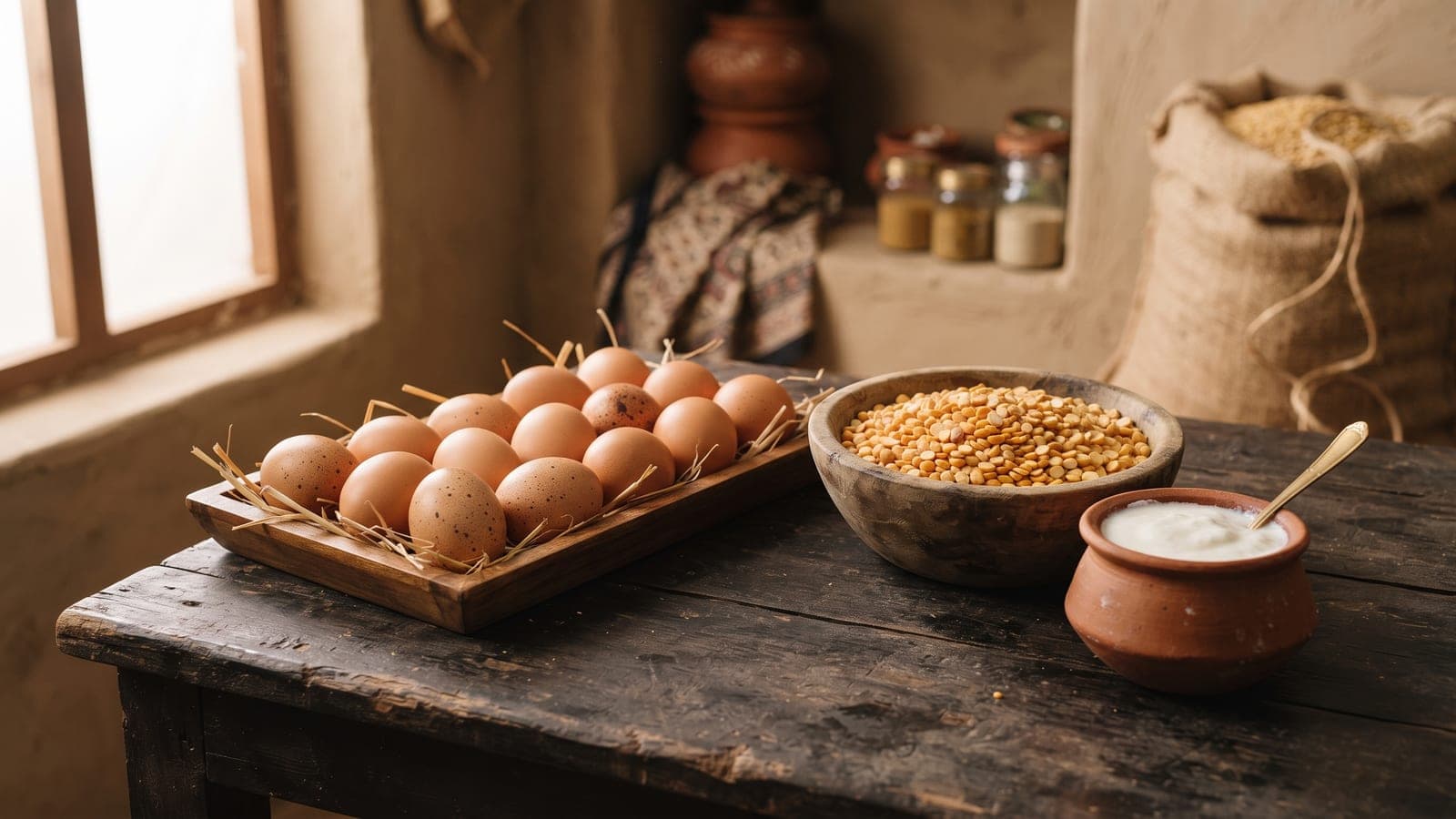
You have read that you need more protein. Then you priced it up — imported whey at four thousand rupees a tub, chicken breast at whatever it costs this month, almonds sold by the fifty grams — and concluded that a high-protein diet is something for people with a different grocery budget.
That conclusion is wrong, and it comes from pricing the wrong foods. Protein is not expensive here. The marketed protein foods are expensive here, and they are largely the ones you do not need.
Why This Happens
Fitness content is written for supermarkets that are not yours. Greek yoghurt, cottage cheese, protein bars, lean turkey mince, whey isolate — these are the default examples, and every one of them is either an import or a premium item in Pakistan.
So the arithmetic looks impossible. If a day of "high protein" means two scoops of whey, 200 g of chicken breast, and a tub of Greek yoghurt, you are looking at a meaningful daily cost before you have eaten anything else.
There is a second problem underneath the first. Most people compare foods by price per kilo, which tells you almost nothing. Daal at 300 rupees a kilo and chicken at 700 sound like a clear win for the daal — until you account for the fact that dry daal triples in weight when cooked and carries roughly 9 g of protein per 100 g cooked, while chicken carries 30 g.
The number that matters is cost per gram of protein. Ranked that way, the list changes completely, and most of the cheapest entries are things already in your kitchen.
What Most People Get Wrong
Believing whey is necessary. It is convenient. It is not special. Whey is food in powder form, and there is nothing in it your body treats differently from an egg. If you are already hitting your target with whole food, a tub of whey adds nothing except cost.
Buying "protein" branded products. Protein biscuits, protein cereal, protein chips. These are ordinary processed food with a modest protein bump and a large price premium. A protein bar with 10 g of protein for 400 rupees is worse value than four eggs.
Ignoring daal and eggs because they seem too ordinary. There is a quiet assumption that food which is cheap and familiar cannot be doing serious work. Daal, eggs, and dahi are the backbone of a high-protein diet in this country, and they are cheap precisely because they are staples, not because they are inferior.
Buying boneless chicken only. Bone-in chicken is substantially cheaper per kilo and the meat is identical. You lose some weight to bone, but you are still ahead on cost per gram of protein.
The cheapest protein in Pakistan is not a supplement. It is eggs, daal, and dahi — three things almost certainly in your kitchen right now.
The Fix
Rank your protein by cost, not by reputation
Prices move, so treat these as ratios rather than fixed figures. What matters is the ordering, which is stable.
| Source | Protein per 100 g cooked | Relative cost per gram of protein |
|---|---|---|
| Eggs | 13 g | Lowest |
| Daal (chana, masoor, moong) | 9 g | Very low |
| Dahi (plain, full fat) | 4 g | Low |
| Chicken (bone-in) | 27 g | Low |
| Soya chunks (dry, rehydrated) | 15 g | Very low |
| Chicken (boneless) | 30 g | Moderate |
| Beef mince | 26 g | Moderate |
| Fish (rohu) | 22 g | Moderate |
| Whey protein | 80 g | High |
| Almonds, protein bars | 6–20 g | Highest |
The top five cover a full day's protein target at a fraction of what the bottom three cost.
A day that hits 140 g
For an 80 kg person, using ordinary food:
| Meal | Food | Protein |
|---|---|---|
| Breakfast | 3 eggs + 1 paratha (less oil) | 20 g |
| Mid-morning | 250 g dahi | 10 g |
| Lunch | 1 katori chana daal + 2 roti + salad | 22 g |
| Snack | 100 g roasted chana | 18 g |
| Dinner | 150 g bone-in chicken salan + 1 roti | 42 g |
| Before bed | 250 g dahi + 2 boiled eggs | 22 g |
| Total | 134 g |
Add a fourth egg at breakfast or a second katori of daal and you are past 140 g. No supplements, no imported items, nothing that needs a specialty shop.
Three swaps that cost nothing
- Roasted chana instead of biscuits with chai. Same convenience, 18 g of protein per 100 g rather than none.
- Soya chunks in the salan. They cost very little, absorb the flavour of whatever they are cooked in, and add serious protein to a vegetable curry. Half a cup dry adds around 25 g.
- Dahi with dinner rather than a soft drink. Adds protein instead of empty calories, and it is already on most tables.
Buy in the right places
Eggs by the tray rather than the dozen. Daal by the kilo from a general store rather than pre-packed in a supermarket. Chicken from a butcher rather than a chilled supermarket pack. These three habits alone typically cut protein cost by a third for identical food.
What This Looks Like Over a Month
Someone eating the day above spends meaningfully less on protein than someone building their intake around whey, chicken breast, and imported yoghurt — and hits the same target.
The version most people find surprising is that the cheap approach is also the more sustainable one. Whey runs out and has to be re-bought as a discrete, visible expense. Eggs and daal are absorbed into the normal grocery run, which is why people stay consistent with them for years.
If you are working out what your protein target should be in the first place, start with your calorie number — protein is a share of that total, not a figure to chase in isolation. And if your plan has been failing for reasons that have nothing to do with cost, that is usually structural.
Tomorrow: buy a tray of eggs and a kilo of chana daal. That is roughly 200 g of protein sitting in your kitchen for less than the price of one restaurant meal.
Keep Reading
Supplements: What's Worth Your Money and What Isn't
Three supplements have solid evidence behind them. Most of the rest are selling you an expensive version of something food already provides. Here is the honest breakdown.
Muscle Gain on a Budget: A Realistic Plan for Skinny Beginners
If you have always been thin and nothing you eat seems to change it, the problem is almost never your metabolism. Here is what actually works, using food you can afford.
Water Intake and Weight Loss: Fact vs Overhyped Advice
Water does not burn fat, and drinking four litres will not speed anything up. What it does do is worth knowing — particularly the effect it has on the number you see on the scale.