
How to Read a Nutrition Label Like a Coach (Not Like an Ad)
The front of the packet is marketing. The back is data. Here is how to read the panel in ten seconds, and the four tricks that make unhealthy products look healthy.
Fit with Faisal Noor
Certified Fitness Coach & Nutrition Specialist
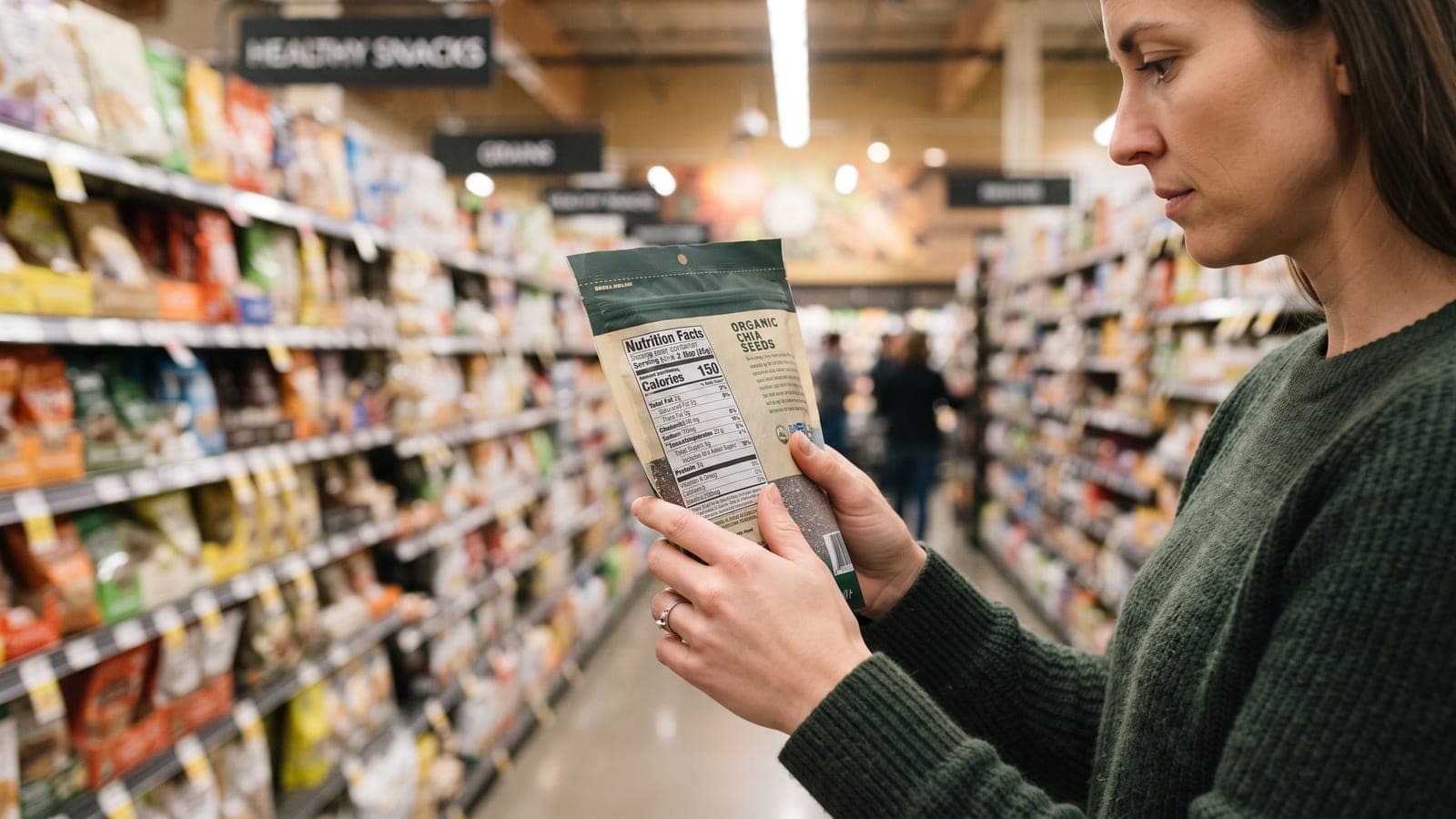
You picked up the packet because the front said high protein, low fat, or no added sugar. You put it in the trolley, and you have never turned it over.
The front of a packet is an advertisement. The back is a legal disclosure. Only one of them is obliged to be accurate, and learning to read it takes about ten seconds per product.
Why This Happens
Front-of-pack claims are marketing copy operating within loose rules. "Low fat" has a technical threshold, but nothing stops a low-fat product from being loaded with sugar to make it palatable. "High in protein" can sit on a biscuit that is still mostly flour and oil.
The claims are not usually lies. They are true statements selected to distract from the whole picture, and they work because comparing the actual numbers requires effort at exactly the moment you are trying to finish the shopping.
There is a second problem specific to how panels are formatted. Many list values per serving rather than per 100 g, and the manufacturer decides what a serving is. A packet of biscuits may declare a serving as two biscuits when nobody eats two.
What Most People Get Wrong
Reading the front and stopping. The single most common error, and everything else follows from it.
Comparing per-serving numbers between products. Two cereals with different serving sizes cannot be compared this way. Always compare per 100 g, which is the column that makes products directly comparable.
Fearing fat while ignoring total calories. A low-fat product with more sugar is often the same calorie count in a different costume.
Trusting "no added sugar." It means no sugar was added. Fruit juice concentrate, honey, and dates are all sugar by any metabolic measure, and none of them count as "added."
Ignoring the ingredients list. It is ordered by weight. If sugar appears in the first three ingredients, the product is substantially sugar regardless of what the front claims.
The front of the packet is written to sell. The back is written because the law requires it. Read the one that has no incentive to flatter.
The Fix: A Ten-Second Method
Step 1: Go straight to the per-100 g column
Ignore per-serving entirely. Per 100 g is the only basis on which two products can be compared.
Step 2: Check four numbers
| Number | What it tells you | Rough guide per 100 g |
|---|---|---|
| Calories | The number that decides weight | Under 400 is moderate; over 500 is calorie-dense |
| Protein | Whether it contributes usefully | Over 10 g is worth having |
| Sugar | Hidden calories with no satiety | Under 5 g is low; over 22 g is high |
| Fibre | Fullness and digestive health | Over 6 g is genuinely good |
You do not need to memorise these. You need to look at them.
Step 3: Read the first three ingredients
They make up most of the product. If sugar, glucose syrup, or palm oil appears there, you know what you are buying whatever the front says.
Step 4: Sanity-check the serving size
If the panel declares a 30 g serving and the packet contains 150 g, decide honestly whether you will eat one serving or the packet. Most people eat the packet.
The four tricks worth knowing
- Absurdly small serving sizes — makes every number look modest.
- "Low fat" with added sugar — removing fat removes flavour, and sugar replaces it.
- Multiple names for sugar — glucose syrup, dextrose, maltose, fruit concentrate. Splitting sugar across several names keeps each one lower down the ingredients list.
- Protein claims on high-calorie products — a bar with 10 g of protein and 400 calories is a chocolate bar with a health claim.
Two comparisons worth doing once
Run these once and you will not need to think about the category again.
Breakfast cereal. Compare the per-100 g sugar of the cereal you buy against plain oats. Most branded cereals marketed on health claims carry 20–30 g of sugar per 100 g; oats carry around 1 g. The difference across a year of breakfasts is substantial.
Fruit juice against a soft drink. Per 100 ml the sugar content is frequently within a gram or two of each other. Juice carries some vitamins, which is a real if modest advantage, but it is not the healthy alternative most people assume — and neither fills you up.
In a Pakistani Supermarket
Two things worth applying locally.
Imported "health" products carry a large premium for very little benefit. A protein biscuit at several hundred rupees is worse value than four eggs, and the panel usually shows why. Cost per gram of protein is the comparison that matters.
Most of what you should be eating has no label at all. Daal, eggs, chicken, dahi, vegetables, roti made at home — none of these come with a nutrition panel, and all of them beat the packaged alternatives. If your trolley is mostly unlabelled food, you can largely skip this skill.
The habit takes a fortnight to become automatic. After that you will read panels without deciding to, and a good deal of what used to end up in the trolley quietly stops.
Next shop, turn over one product you buy regularly and read the per-100 g column. Most people find at least one item they assumed was fine and quietly stop buying it.
Keep Reading
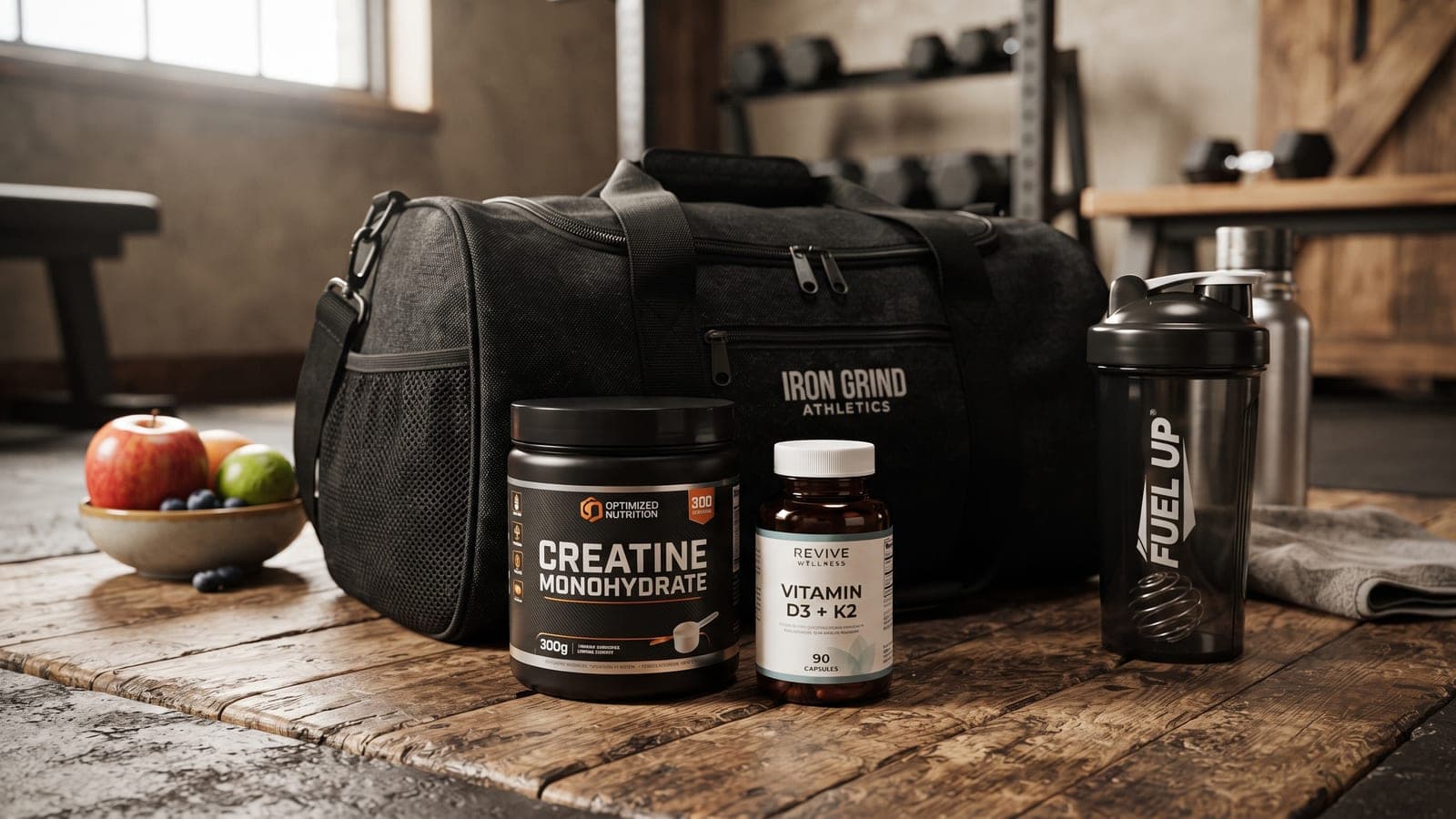
Supplements: What's Worth Your Money and What Isn't
Three supplements have solid evidence behind them. Most of the rest are selling you an expensive version of something food already provides. Here is the honest breakdown.
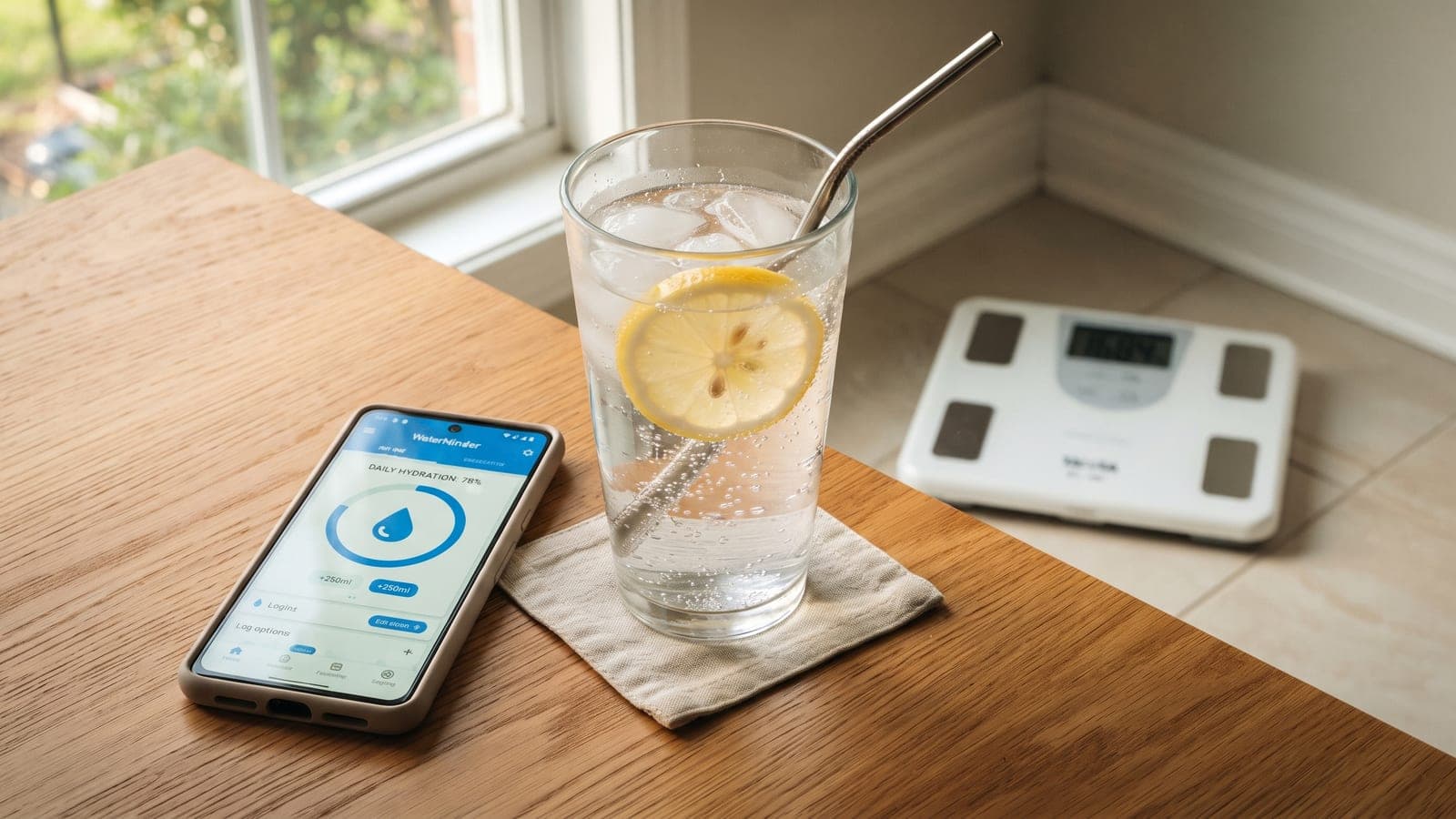
Water Intake and Weight Loss: Fact vs Overhyped Advice
Water does not burn fat, and drinking four litres will not speed anything up. What it does do is worth knowing — particularly the effect it has on the number you see on the scale.
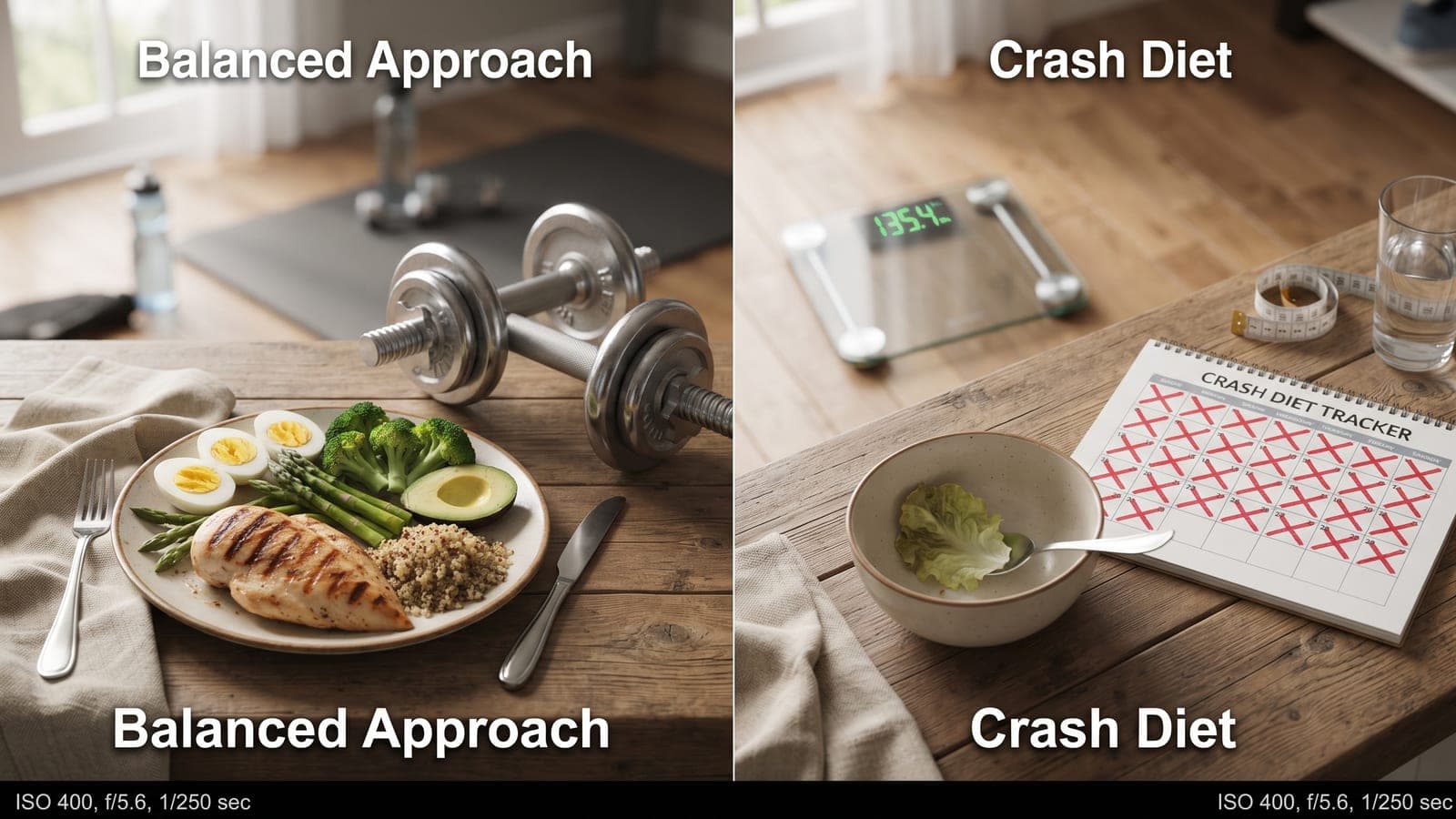
Sustainable Weight Loss: What "1kg a Week" Actually Costs Your Body
Losing a kilo a week is possible. What the promise leaves out is how much of it is muscle, what it does to your training, and why the weight usually comes back. Here is the honest arithmetic.