
Why Most Diet Plans Fail in Pakistan (And What Actually Works With Local Food)
Quinoa, kale, and salmon are not why your diet failed. Most plans collapse because they were built for a kitchen you do not have. Here is what works with roti, daal, and a real grocery budget.
Fit with Faisal Noor
Certified Fitness Coach & Nutrition Specialist
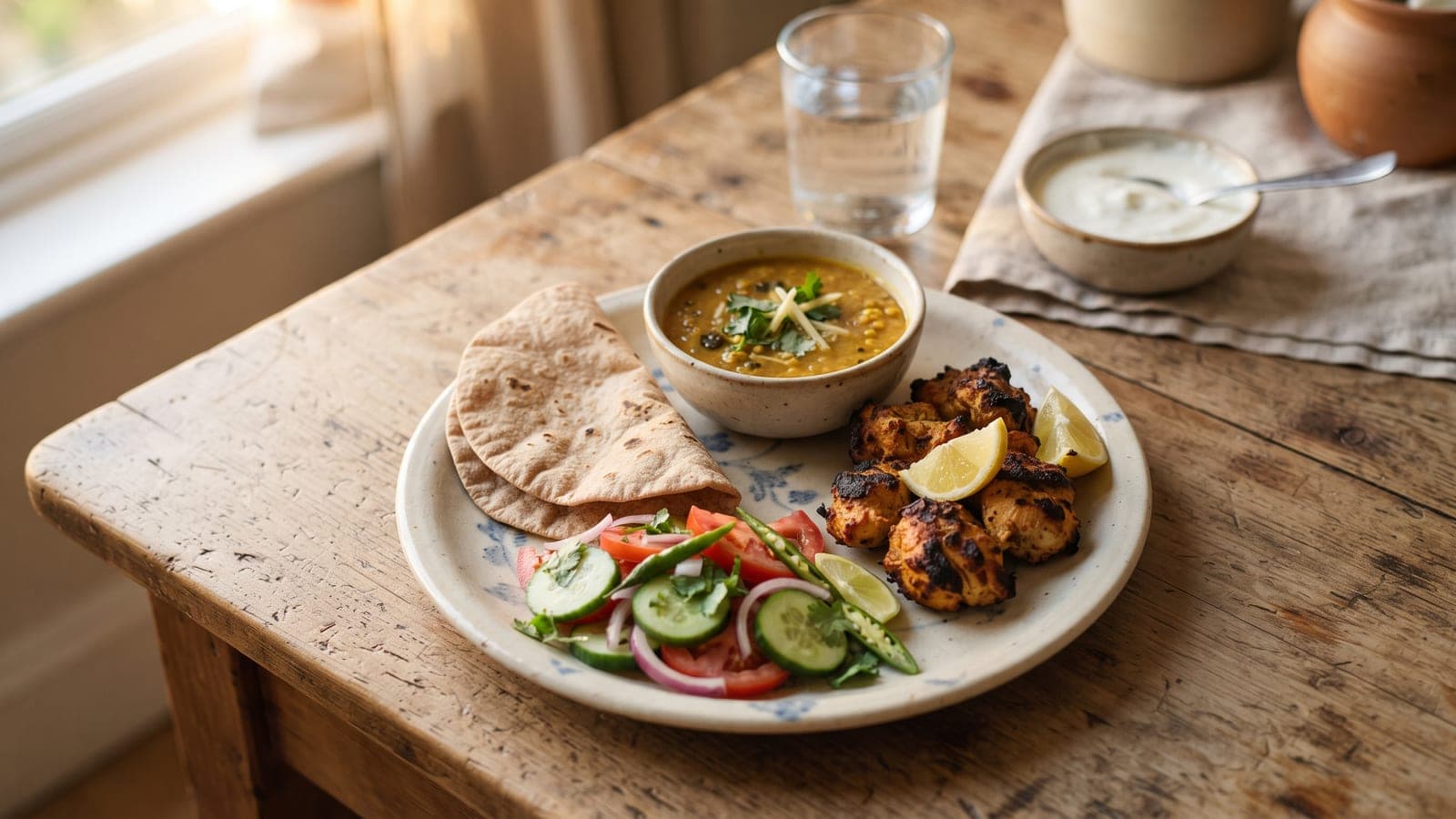
You downloaded the plan. Week one went well. By week three you were eating around it, and by week five you had stopped opening the file.
That is not a discipline problem. Look at what the plan asked you to eat — quinoa bowls, kale, salmon twice a week, Greek yoghurt with berries. Now look at what is actually in your kitchen, what your family is cooking tonight, and what your budget allows this month.
The plan did not fail because you lacked willpower. It failed because it was written for someone else's kitchen.
Why This Happens
Most diet plans circulating online were built around Western supermarket staples, then handed to you unchanged. The problem is not that those foods are bad — it is that a plan you cannot buy or cook is a plan you will abandon.
Three specific things break down.
Availability. Salmon, blueberries, and cottage cheese are either unavailable or priced as luxury items in most Pakistani cities. A plan built on them has a hole in it from day one, and most people fill that hole by guessing.
Cooking reality. Most households here cook one meal for everyone. A plan that requires you to prepare a separate grilled chicken salad while the family eats aloo gosht is asking you to cook twice a day, every day, indefinitely. Almost nobody sustains that past a month.
Cultural rhythm. These plans have no answer for a dawat, for Ramadan, for chai with guests three times a week. They treat normal social life as a deviation to be corrected rather than a permanent feature of how you actually live.
A plan that only survives perfect weeks is not a plan. It is a test you will eventually fail.
What Most People Get Wrong
The usual response to a failed diet is to conclude that Pakistani food is the problem — that roti, rice, and daal are what stand between you and results, and that real progress requires abandoning them.
This is wrong, and it is the single most damaging belief I encounter with new clients.
Roti is not why you gained weight. Portion size and total daily calories are. Two rotis with a vegetable curry and daal is a perfectly reasonable meal in a fat-loss diet. Six rotis with a heavy oil-based salan is not. The food is not the variable — the amount is.
The second mistake follows from the first: people cut carbohydrates entirely, feel awful for two weeks, lose water weight, then rebound. They conclude their metabolism is broken. What actually happened is that they removed their main energy source while continuing to train and work, and no one can hold that for long.
The third is treating desi food as untrackable. It is not. A roti is roughly 120 calories. A cup of cooked rice is about 200. A katori of daal is around 150. These are knowable numbers, and once you know them the guesswork disappears.
The goal is not to eat less Pakistani food. It is to eat Pakistani food in amounts that match your target.
The Fix
Build the plan around what is already in your kitchen. Here is the structure I use with clients.
Step 1: Set your calorie target
Multiply your bodyweight in kilograms by 30 for a rough maintenance figure, then subtract 400.
An 80 kg person: 80 × 30 = 2,400, minus 400 = 2,000 calories a day. That produces roughly 0.4 kg of fat loss per week — slow enough to hold, fast enough to see. If you want the more precise version of this calculation, I have written it up separately in how many calories you actually need to lose weight.
Step 2: Anchor every meal with protein
This is the single highest-return change, and local food handles it well:
| Food | Portion | Protein |
|---|---|---|
| Chicken (boneless) | 120 g cooked | 36 g |
| Beef / mutton | 130 g cooked | 33 g |
| Daal (chana, masoor) | 300 g cooked | 27 g |
| Eggs | 4 large | 25 g |
| Dahi (plain) | 250 g | 20 g |
| Fish (rohu) | 140 g cooked | 30 g |
| Paneer | 150 g | 27 g |
Aim for a palm-sized portion of protein at every meal. Protein keeps you full and protects muscle while you lose fat, which is what stops weight loss from becoming muscle loss.
Step 3: Fix the three things that quietly add calories
Most plans die in the details, not the main course.
- Oil. A tablespoon is 120 calories, and most salan uses three or four. Halving the oil in a curry can save 200–300 calories without changing what you eat.
- Sweetened chai. Two sugars, four cups a day, is roughly 200 calories that do nothing for hunger. Switching to one sugar or none is often a quarter of your deficit.
- Portion drift. Serve your roti and rice onto a plate rather than eating from the serving dish. You will eat measurably less without deciding to.
Step 4: Build in the exceptions
Do not write a plan that a dawat destroys. Decide in advance: on a dawat day, eat protein at breakfast and lunch, keep the day lighter, and eat normally at the event.
Return to the plan at the very next meal — not the next day, and not Monday. That single habit separates people who lose weight from people who repeatedly start over.
Making It Work in a Shared Kitchen
You do not need separate meals. You need a different plate from the same pot.
The family salan is fine. Take a smaller portion of the curry, ask for your share before extra oil or cream goes in if that is how it is cooked, add an extra katori of daal or a boiled egg for protein, and take one fewer roti than you normally would.
For grocery budget, the cheapest protein sources here are eggs, daal, chicken, and dahi — all of them ordinary items you are probably buying already. A high-protein diet in Pakistan does not require imported supplements or specialty foods. It requires buying slightly more of what is already in your kitchen and slightly less of what is not doing anything for you.
Tonight: count your rotis, serve onto a plate, and add one protein source to the meal you were already going to eat. That is the whole first step.
Keep Reading
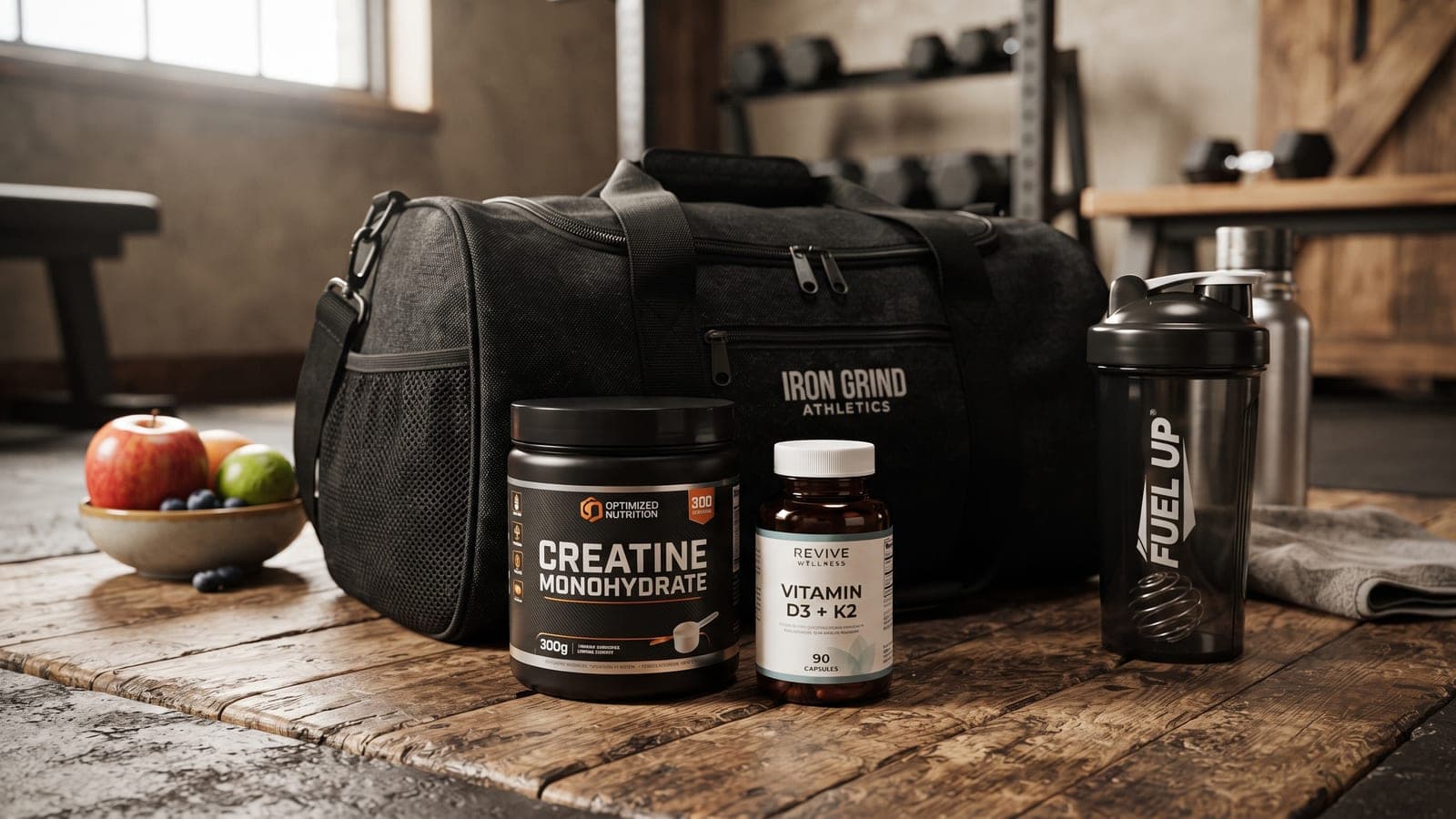
Supplements: What's Worth Your Money and What Isn't
Three supplements have solid evidence behind them. Most of the rest are selling you an expensive version of something food already provides. Here is the honest breakdown.
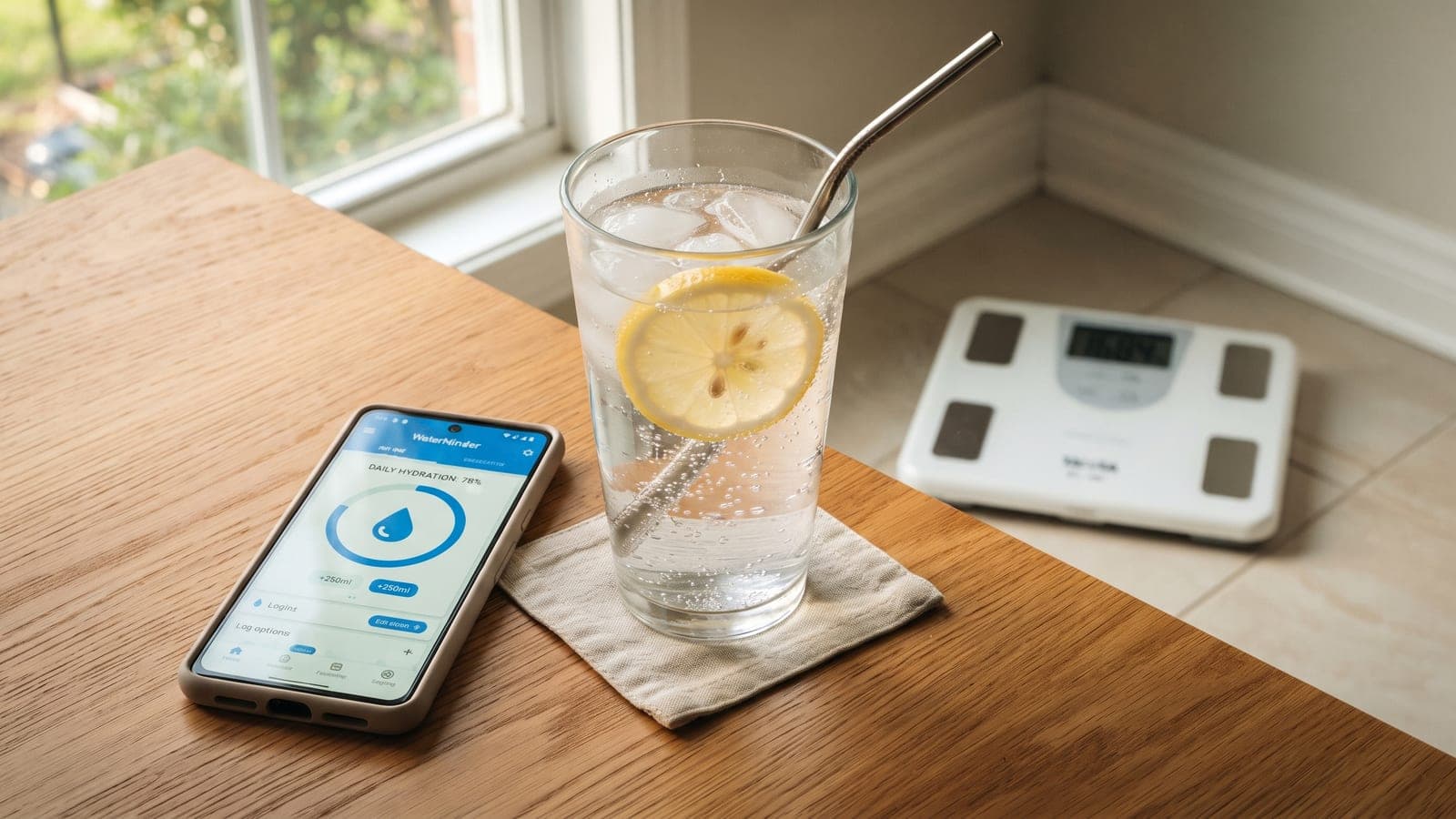
Water Intake and Weight Loss: Fact vs Overhyped Advice
Water does not burn fat, and drinking four litres will not speed anything up. What it does do is worth knowing — particularly the effect it has on the number you see on the scale.
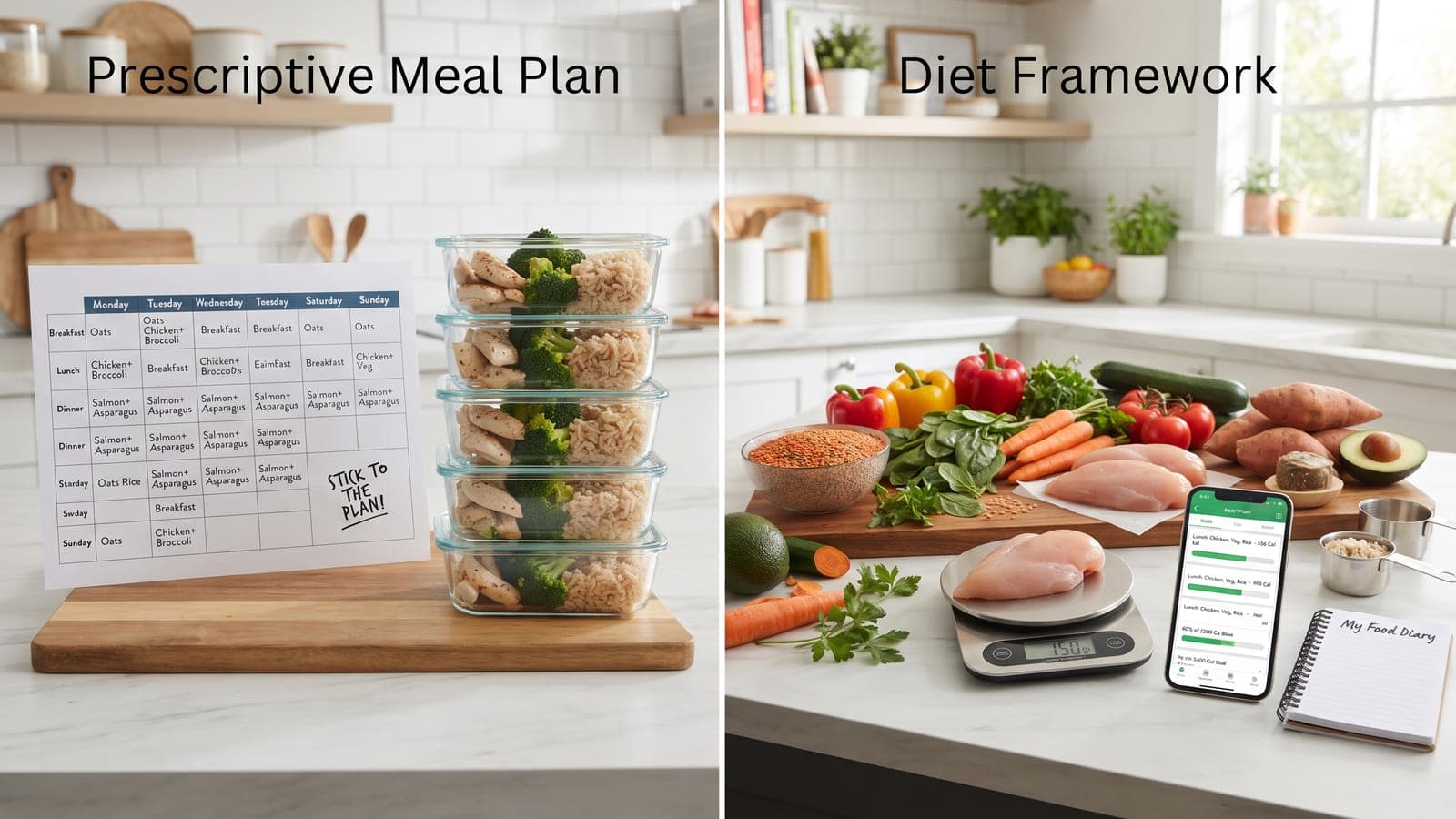
Diet Plan vs Meal Plan: What's the Real Difference?
One tells you exactly what to eat at every meal. The other teaches you how to decide. They suit different people, and picking the wrong one is why plans get abandoned in week three.