
What Happens in a 60-Minute Consultation (And Who It's For)
An hour is enough to work out why your progress stalled and what to do about it. Here is exactly how that hour is spent, what you leave with, and when a shorter session would serve you better.
Fit with Faisal Noor
Certified Fitness Coach & Nutrition Specialist

Booking a session you have never had before means paying for something you cannot picture. That is a reasonable thing to hesitate over.
So here is the hour, in the order it happens, and — just as importantly — when you should book something shorter instead.
Why This Happens
Most people arrive at a consultation with the wrong question. They ask "what should I be eating" or "what programme should I run," when the actual problem is usually narrower and further upstream.
An hour is enough time to do something a plan cannot: work out which variable is actually binding. Someone eating well and training hard with no results does not need a new plan. They need someone to find the one thing that is wrong, which might be their step count, their protein, an aggressive deficit wrecking their sleep, or a training log that has not moved in four months.
That diagnosis is what the time buys. The recommendations follow from it, and they are usually smaller and more specific than people expect.
What Most People Get Wrong
Expecting a document. A consultation is a conversation and a diagnosis, not a deliverable. You leave with direction and reasoning — if you want a written plan built and revised over weeks, that is a coaching plan, not a session.
Booking an hour for a single question. If you want to know how much protein you need, that is fifteen minutes. Paying for sixty is paying for time you cannot fill.
Not bringing information. The hour is far more useful if you arrive with your current weight, roughly what you eat, your training log, and what you have already tried. Without those, a third of the session goes to reconstructing them.
Expecting a guarantee. Nobody can promise you a number by a date. What an hour can do is tell you what is wrong, what to change, and roughly what to expect if you do.
Most stalls come down to one or two specific things. The value of an hour is finding out which — not receiving a longer list of things to do.
The Fix: How the Hour Is Spent
First 10 minutes — where you actually are
Current weight, waist, training history, what a normal eating day looks like, medical context, and what your week genuinely allows. Blunt questions, quick answers.
The most useful question in this section is usually what made your last attempt stop. That answer tends to explain more than everything else combined.
Next 15 minutes — finding the constraint
This is the diagnostic part. We work through the things that actually cause stalls, in order of likelihood:
- Is intake where you think it is?
- Has maintenance fallen since you started?
- Has the step count dropped?
- Is the training log moving?
- Is sleep under six hours?
Four times out of five the answer is here, and the fix is smaller than expected. These are the same five checks worth running yourself first — if you have already done them, we skip ahead and go deeper.
Next 20 minutes — the direction
Targets, training structure, and what changes first. Deliberately one or two changes, not nine. A list of nine gets none of them done.
If training is the issue, we look at your log and the programming rather than swapping exercises. If nutrition is the issue, we set targets and work out how they fit your actual meals and household.
Final 15 minutes — your questions
Whatever you came in with. This is also where the awkward questions belong — supplements you have been sold, advice from a relative, something you read that contradicted something else.
What you leave with
A clear statement of what is wrong, what to change first, what to measure, and when to expect it to show. Written down by you during the call, in your words, which people retain considerably better than a document they were handed.
Which Length You Actually Need
| Your situation | Book |
|---|---|
| One specific question, or a quick form check | 15 minutes |
| General diet and training review, one clear sticking point | 30 minutes |
| Full assessment, several things unclear, want a roadmap | 60 minutes |
| You know the problem and want it managed over time | A coaching plan, not a session |
Most people need 30 minutes, not 60. If you have a single clear problem, book the shorter one — an hour with twenty minutes of nothing to discuss is not better value.
Book 60 when several things are unclear at once, or when you have been stuck long enough that you no longer trust your own read on it.
The Practical Details
Sessions run over WhatsApp video, Zoom, or Google Meet — whichever you already use, nothing to install. Payment confirms the slot, and rescheduling with 24 hours' notice costs nothing.
One thing worth stating plainly: this is coaching guidance, not medical advice. If you have a diagnosed condition, are pregnant, or take medication affecting appetite or blood sugar, speak to your doctor — and bring whatever they tell you, so the plan is built around it.
If you are unsure whether you need this at all, run through these five questions first. A fair number of people find their answer there and save the fee.
Keep Reading
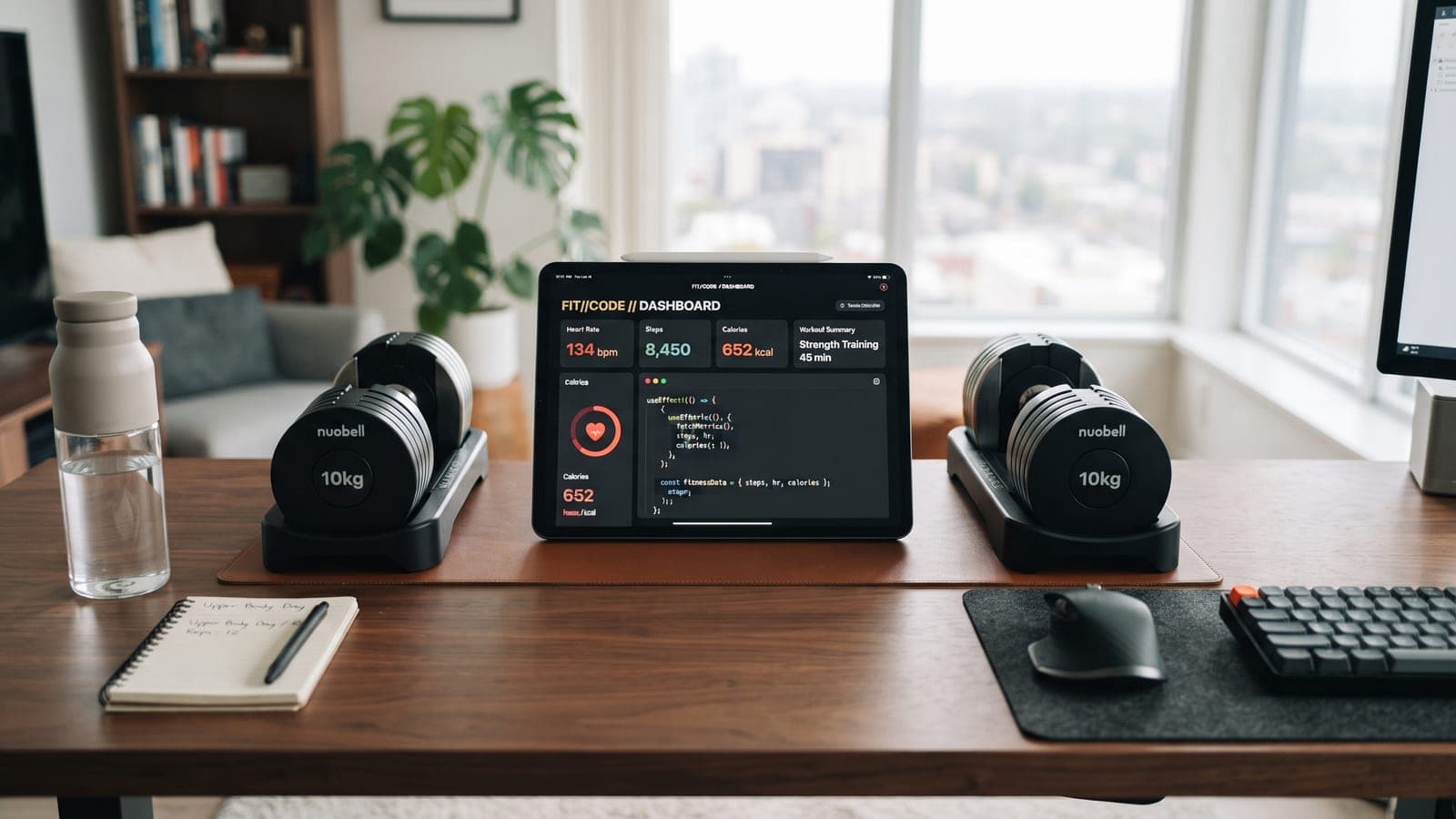
From Software Engineer to Fitness Coach: The System Behind My Coaching Approach
I spent years building software and running a studio before I coached anyone. That background is not a detour from this work — it is the reason my coaching looks the way it does.

Diet Plan vs Meal Plan: What's the Real Difference?
One tells you exactly what to eat at every meal. The other teaches you how to decide. They suit different people, and picking the wrong one is why plans get abandoned in week three.

How to Know If You Need a Coach or Just a Better Plan
Not everyone needs coaching, and it is worth saying so. Here are the five questions that separate a knowledge problem from an execution problem — and what each one actually costs to fix.