
Does Lifting Weights Make Women "Bulky"? Here's What Actually Happens
The fear that stops more women from lifting than any other, examined properly — the hormonal reality, what actually changes in the first year, and why the women you admire are almost certainly lifting.
Fit with Faisal Noor
Certified Fitness Coach & Nutrition Specialist
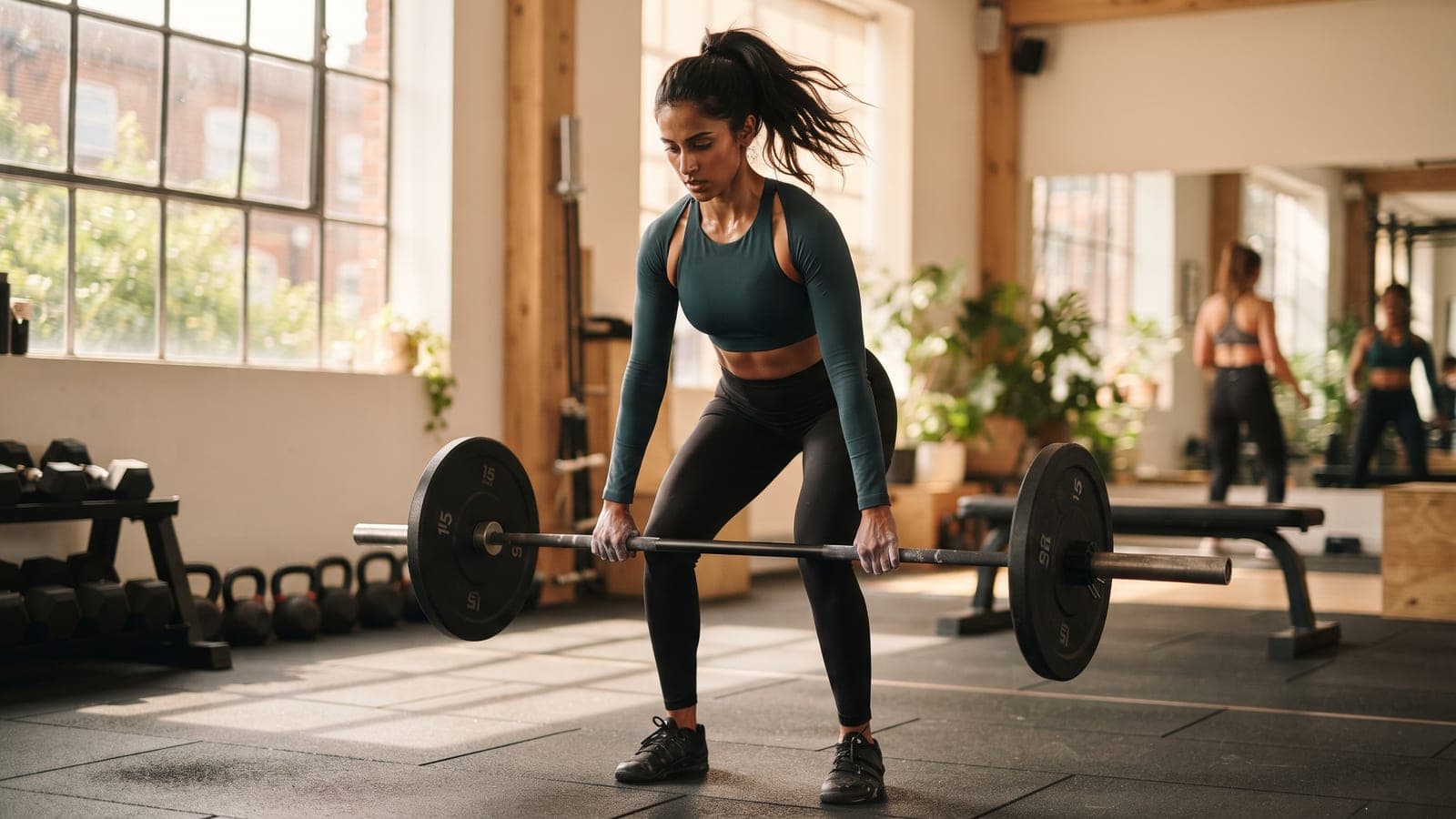
You want to be toned, not big. So you have stayed on the treadmill and the 2 kg dumbbells, because somewhere along the line you were told that lifting properly would make you bulky.
Here is the part that usually lands hardest: the lean, defined look you actually want is produced by lifting weights. Not by avoiding them.
Why This Happens
The fear is not irrational. It comes from images of female bodybuilders — who represent an extreme of dedicated training, specific eating, and in many cases pharmaceutical assistance — presented as the natural endpoint of picking up a barbell.
That is like seeing an elite marathon runner and concluding that jogging will make you gaunt.
The biology matters here. Muscle growth is heavily mediated by testosterone, and women typically produce roughly 5–10% of the amount men do. This is not a small difference. It means that for the same training and the same food, women build muscle considerably more slowly and to a far lower ceiling.
Building visible muscle as a woman is genuinely difficult. It requires years of progressive training and eating in a surplus, on purpose. It does not happen by accident in month three because you used a 15 kg dumbbell.
What Most People Get Wrong
Confusing "toned" with anything other than muscle. There is no separate tissue called tone. The look people describe as toned is simply muscle that is visible because body fat is low enough to see it. You cannot get it without muscle, and light weights build very little.
Thinking light weights and high reps "lengthen" muscle. Muscle length is set by where the tendon attaches to bone. You cannot change it with training. Endless reps on a 2 kg dumbbell mostly builds endurance in a muscle too small to see.
Mistaking the first weeks for muscle gain. Starting a training programme causes muscles to hold more water and glycogen, and to be temporarily inflamed. Legs and arms can feel fuller and tighter within a fortnight. This is not muscle; it settles within a few weeks and is often mistaken for "bulking up fast."
Misreading a fat-and-muscle overlap. Adding muscle while still carrying higher body fat can increase measurements before it decreases them. That is not bulk from lifting — it is a nutrition phase issue. The muscle is what remains once fat comes down.
There is no toning tissue. The defined look is muscle plus lower body fat — which means the training you have been avoiding is the training that produces it.
The Fix: What Actually Happens
Year one, realistically
A woman training properly — progressive overload, three days a week, eating adequate protein — can expect to gain somewhere around 4 to 6 kg of muscle in her first year, and considerably less in the years after.
Spread across a whole body, that is not a dramatic visual change in the direction you fear. It is the change that produces shape: fuller shoulders, a defined back, legs that look athletic rather than simply smaller.
Meanwhile, if you are also in a modest calorie deficit, fat comes down. The scale may barely move while your measurements and appearance change substantially — which is exactly why judging progress by the scale alone misleads people.
Train for strength, not for the myth
The programme is the same as it is for anyone:
- Three sessions a week, full body
- The five movements — squat, hinge, push, pull, carry
- 6–12 reps with a weight that is genuinely challenging by the last rep
- Progressive overload — add reps or weight over time
That last point is what makes it work, and it is the one most commonly diluted for women. A weight you could lift twenty more times is not building anything. If you are new to this, the first four weeks are laid out here.
What about cardio?
Keep it, but stop relying on it alone. Cardio burns calories during the session and improves heart health, both of which are worth having. What it does not do is build the shape underneath.
Two or three lifting sessions plus some walking will change how you look far more than five cardio sessions a week. If you enjoy running or classes, keep them — just not instead of resistance training.
What lifting actually gives you
Beyond appearance, and worth stating plainly:
- Bone density. Women lose bone mineral density with age, sharply after menopause. Resistance training is one of the few genuinely effective countermeasures.
- Metabolic rate. More muscle means a slightly higher daily burn, which makes maintaining a lower weight easier.
- Strength for ordinary life. Carrying a child, luggage, groceries up stairs.
- Preserving muscle in a deficit. Losing weight without lifting means losing muscle alongside fat, which produces the smaller-but-soft outcome most people are trying to avoid.
The Local Reality
Two things are worth acknowledging honestly.
Gym access is not equal. Suitable women-only facilities are limited outside major cities, and for many women a mixed gym is not a realistic option. This does not stop you training. Every movement above works at home with a pair of adjustable dumbbells, and progression comes from tempo, leverage, and range of motion as much as from load.
There is also social pressure, often from family, that strength training is unfeminine or unnecessary. It is worth knowing that the outcome most of that concern imagines — a large, bulky physique — is not on the table without deliberate, sustained effort over many years.
Pick up something heavier than you have been using this week. If you can do more than twelve controlled reps, it is too light — and it has been holding back the exact result you were training for.
Keep Reading

Rest Days: Why Skipping Them Is Slowing Your Progress
Training is the stimulus. Recovery is where the adaptation actually happens. If you train seven days a week and wonder why nothing is improving, this is usually the reason.
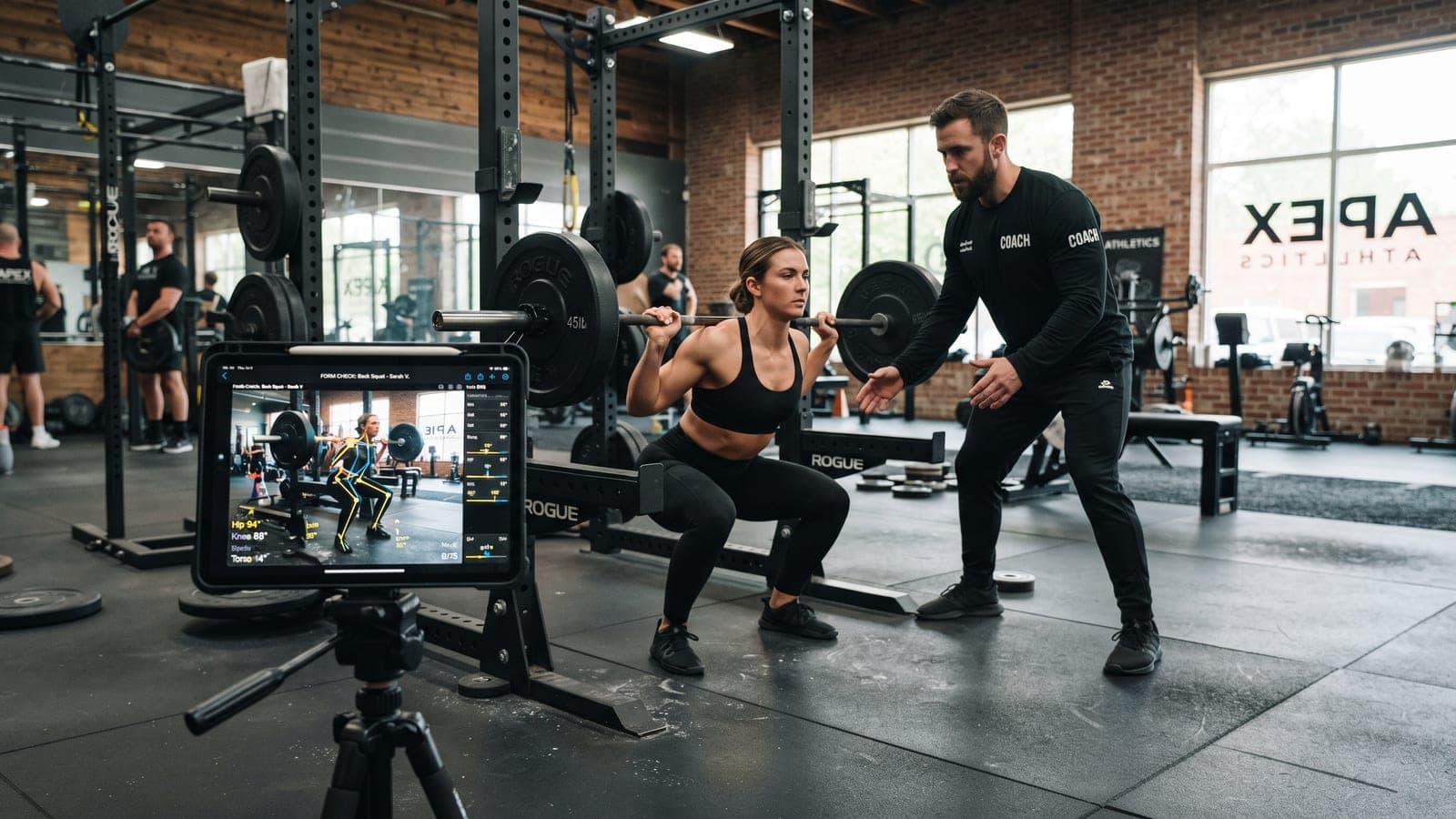
How to Fix Bad Squat Form: A Coach's Checklist
Knees caving, heels lifting, depth cut short, back rounding. Here is what each fault is actually caused by — because the fix is almost never at the place where the problem shows up.
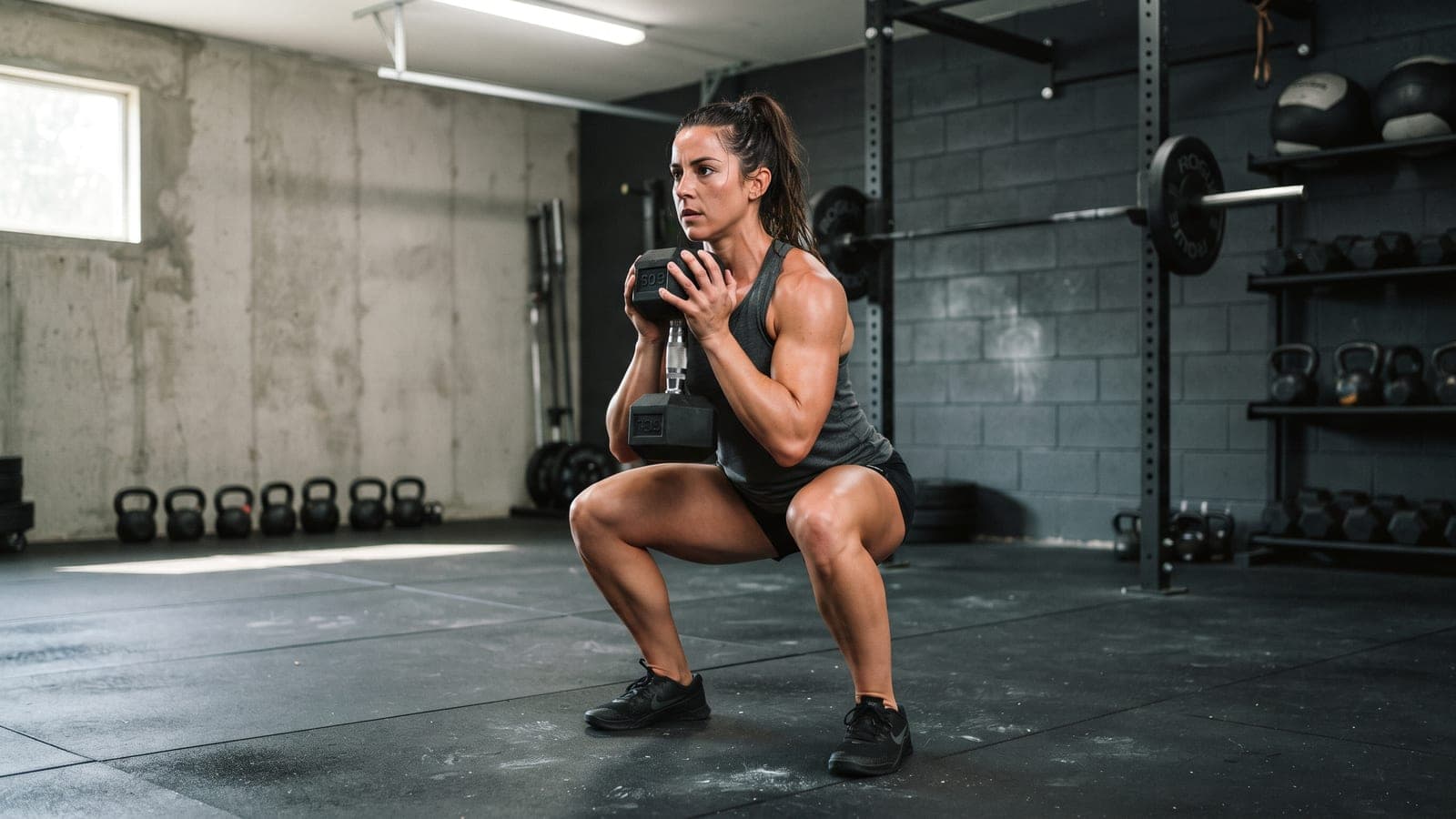
The 5 Exercises Everyone Should Master Before Anything Fancy
Before cable crossovers and Bulgarian drop sets, there are five movement patterns that cover the entire body. Master them and most of the gym becomes optional.