
Online Fitness Coaching vs In-Person: What You're Actually Paying For
Online coaching is not a cheaper substitute for a trainer standing next to you — it is a different product. Here is what each one actually buys, and which problem each is genuinely better at solving.
Fit with Faisal Noor
Certified Fitness Coach & Nutrition Specialist
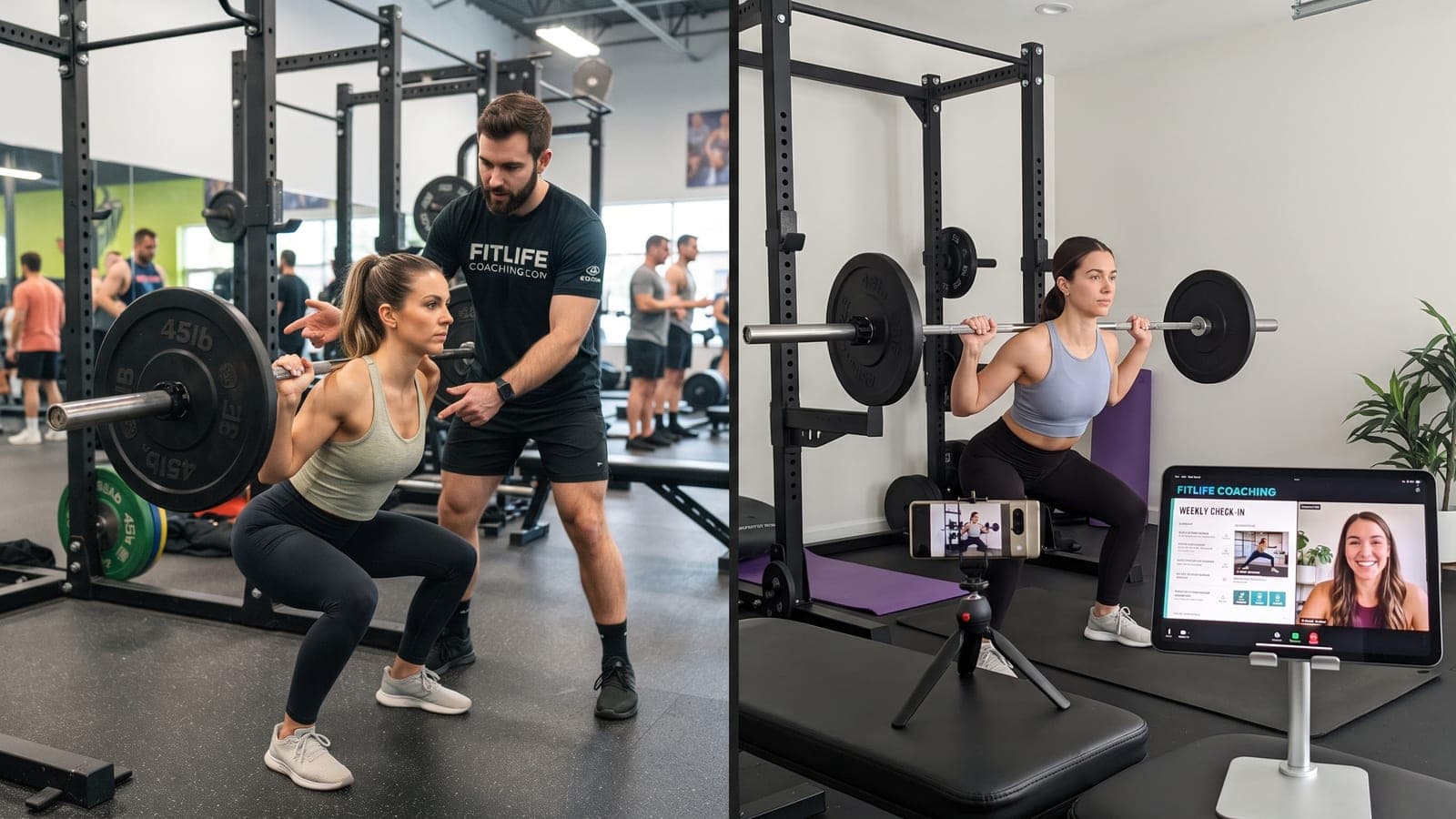
You are comparing a gym trainer at a per-session rate against online coaching at a monthly one, and the numbers do not sit next to each other cleanly.
That is because they are not the same product. Most comparisons treat online coaching as the discount version of in-person training, which misunderstands what each is actually for.
Why This Happens
Both are sold as "coaching," so people assume they differ only in delivery. They differ in what is being delivered.
In-person training buys you supervised execution. Someone is present while you lift. They correct the rep as it happens, adjust the weight mid-set, and make sure the session occurs at all because you are meeting them at four o'clock.
Online coaching buys you the plan and the accountability around it. Programming built for your situation, form reviewed from video, nutrition targets that adjust as you change, and someone reading your check-ins.
Those solve different problems. The relevant question is not which is better — it is which failure mode is yours.
If you have a plan and do not execute it, presence helps. If you execute consistently but have no idea whether the plan is right, presence adds little and direction adds a great deal.
What Most People Get Wrong
Assuming online means less contact. Often the reverse. An hour a week in person is one hour. Online coaching that includes weekly check-ins, message support, and video reviews may involve more total interaction — spread across the week, when questions actually arise.
Assuming form cannot be coached remotely. Video review is in some ways better than live observation: it can be watched repeatedly, slowed down, and compared against last month's clip. What it cannot do is stop a bad rep mid-set.
Paying for supervision they do not need. Plenty of people book a trainer for two sessions a week and spend most of it being counted at. If you already turn up reliably, you are paying a premium for attendance you were providing yourself.
Underestimating what the plan is worth. People will pay a session rate without blinking and hesitate over a programme, when the programme is what determines whether a year of sessions produces anything.
Ask which one you actually fail at: doing the work, or knowing what work to do. That answer picks the product.
The Fix: What Each One Buys
In-person is genuinely better for
- Complete beginners nervous about a gym floor. Having someone show you where things are and what to do removes a real barrier.
- Technical lifts under heavy load. Serious barbell work benefits from a spotter and immediate correction.
- Rehabilitation or a managed injury, working with a physiotherapist's guidance.
- People who will not train unless someone is expecting them. This is a legitimate reason and worth paying for if it describes you.
Online is genuinely better for
- Anyone with an unpredictable schedule. No fixed appointment to miss and reschedule.
- Training at home, where nobody is coming to your house anyway.
- Nutrition, which is where most results are won and which in-person sessions barely touch. A trainer watching your squat is not watching your dinner.
- Access to a specific coach regardless of city.
- Cost efficiency. A month of online coaching typically costs less than four in-person sessions, and covers more ground.
The hybrid most people should consider
These are not mutually exclusive, and the combination is often better value than either alone.
Run online coaching for the programme and nutrition, then book two or three in-person sessions at the start to have your main lifts checked in person. You get the technique validation where it matters most — the first month, when patterns are being set — without paying for supervision indefinitely.
The same logic applies later. If a specific lift keeps giving you trouble a year in, one or two focused sessions on that movement is a better purchase than a standing weekly appointment.
What good online coaching should include
If you are evaluating any online offer, including mine, check for these:
- A real intake — current training, diet, injuries, schedule, equipment
- A programme built for your equipment, not a template renamed
- Video form review on the main lifts
- Scheduled check-ins, with the plan actually adjusted in response
- A stated response time for messages
- Nutrition targets that update as your weight changes
If an offer is a PDF and a WhatsApp number, it is a plan, not coaching. That may be all you need — but it should be priced as a plan.
What This Looks Like Here
Two local factors change the calculation.
Qualified in-person trainers are unevenly distributed. In the major cities you have real choice. Outside them, the options are thin, and online access to a specific coach is often better than the nearest available trainer.
For many women, a suitable gym is not a realistic option at all. Online coaching for home training is not a compromise in that situation — it is the practical route, and it works.
Sessions here run over WhatsApp video, Zoom, or Google Meet, whichever you already use. Nothing to install.
If you are unsure which you need, the cheapest way to find out is a single session rather than a month's commitment. Half an hour is usually enough to identify whether your problem is the plan or the execution — and that answer tells you what to buy next, including whether you need a coach at all.
Keep Reading
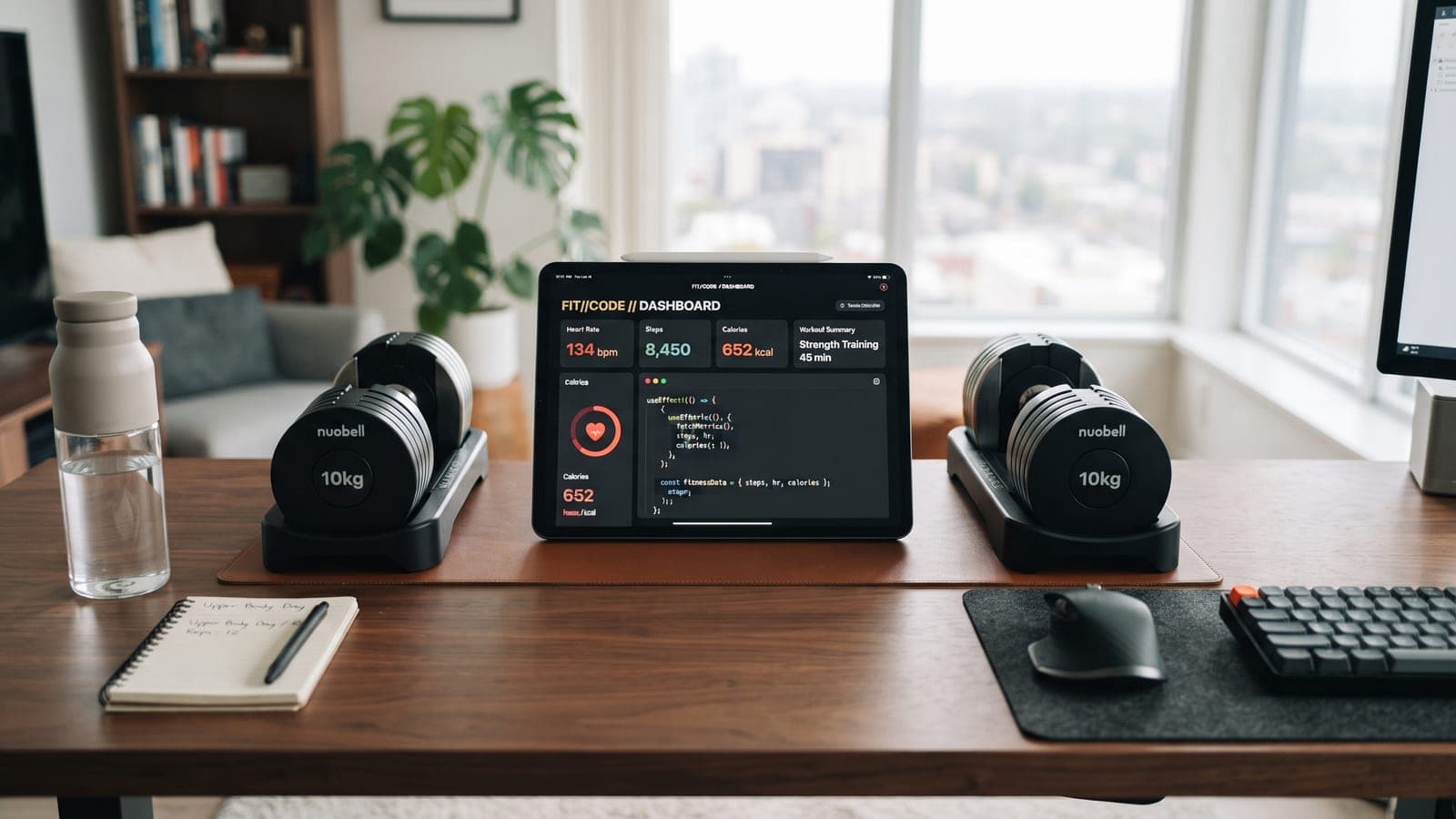
From Software Engineer to Fitness Coach: The System Behind My Coaching Approach
I spent years building software and running a studio before I coached anyone. That background is not a detour from this work — it is the reason my coaching looks the way it does.

Rest Days: Why Skipping Them Is Slowing Your Progress
Training is the stimulus. Recovery is where the adaptation actually happens. If you train seven days a week and wonder why nothing is improving, this is usually the reason.
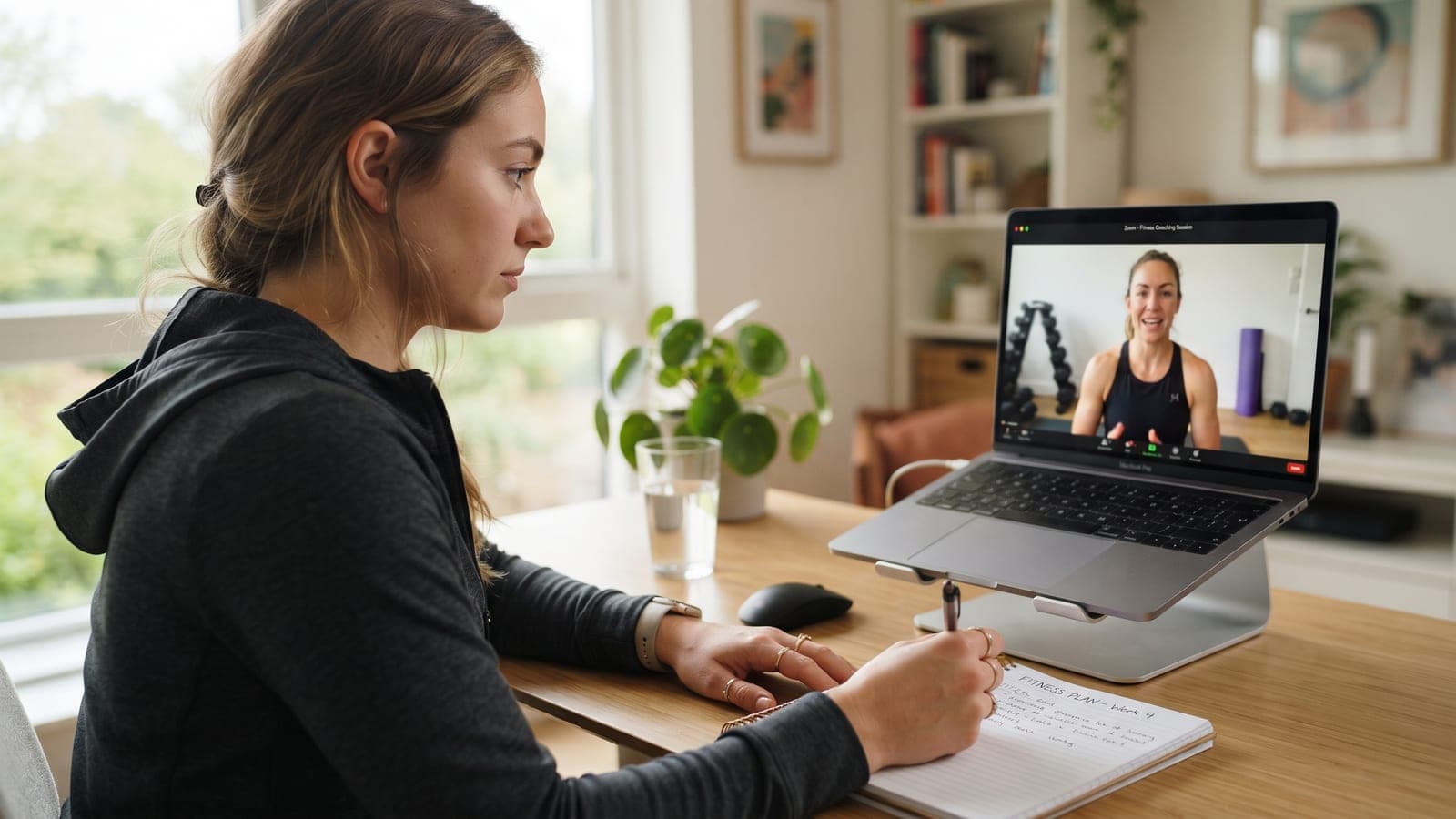
What Happens in a 60-Minute Consultation (And Who It's For)
An hour is enough to work out why your progress stalled and what to do about it. Here is exactly how that hour is spent, what you leave with, and when a shorter session would serve you better.